On March 7-8 Israeli carried out massive strikes on four major Iranian oil facilities including the Tehran refinery and depots in Shahran and Karaj, consequently achieving their tactical objective by degrading Iran’s military logistics but the strategic fallout has transcended national borders. The most critical casualty of this escalation is not petroleum, but the potable water security of 50 million people across the Persian Gulf. A broader examination of the military escalation and its geopolitical consequences can be seen in the analysis “Operation Epic Fury: Washington’s Shock and Awe or a Strategic Quagmire?”, which explores the wider strategic dynamics shaping the region.
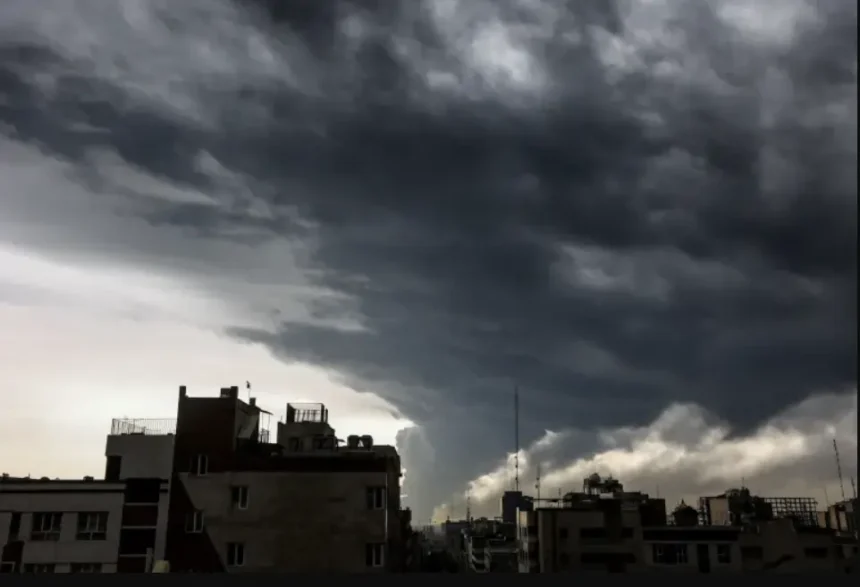
For the citizens of Iran, the immediate reality is a suffocating atmosphere. The massive uncontrolled fires at these refineries are pumping toxic hazardous chemicals into the air, making it unsafe for inhalation. Iranian cities are facing a public health emergency as hospitals overflow with patients suffering from acute respiratory distress.
The combustion of “sour” crude oil; an oil containing high sulphur content, is releasing massive amounts of Sulphur Dioxide. When this gas meets the humidity of the Gulf, it transforms into sulfuric acid, falling back into the sea as acid rain. This process doesn’t just pollute the surface; it alters the very chemistry of the water that seven nations including Bahrain, Qatar, the UAE, and Kuwait depend on for their daily existence. This is not just a local environmental issue; it is a regional catastrophe.
The Gulf states represent the most “water-vulnerable” region on Earth, relying on seawater desalination for up to 90% of their drinking water. The presence of Benzene in this fallout creates a nightmare scenario for water engineers. Benzene is a human carcinogen that is highly soluble in water. Unlike salt, which is easily stripped away by modern membranes, Benzene molecules are small and persistent. Most regional desalination plants, such as Jebel Ali or Doha West, are not equipped to filter out these specific organic toxins.
If these chemicals reach the intake pipes, the municipal water supply for entire cities could be poisoned within hours. Most of these nations maintain less than a week’s worth of strategic water reserves, meaning a shutdown of these plants would trigger a humanitarian crisis that no amount of military hardware can solve.
The escalation of US-Iran conflict has turned the Persian Gulf into a hazardous zone. We are moving beyond a war of soldiers and toward a war of basic human needs. For the residents of the Gulf, the greatest threat isn’t a missile strike; it’s the possibility that the next time they turn on their kitchen tap, the water is no longer safe to drink.