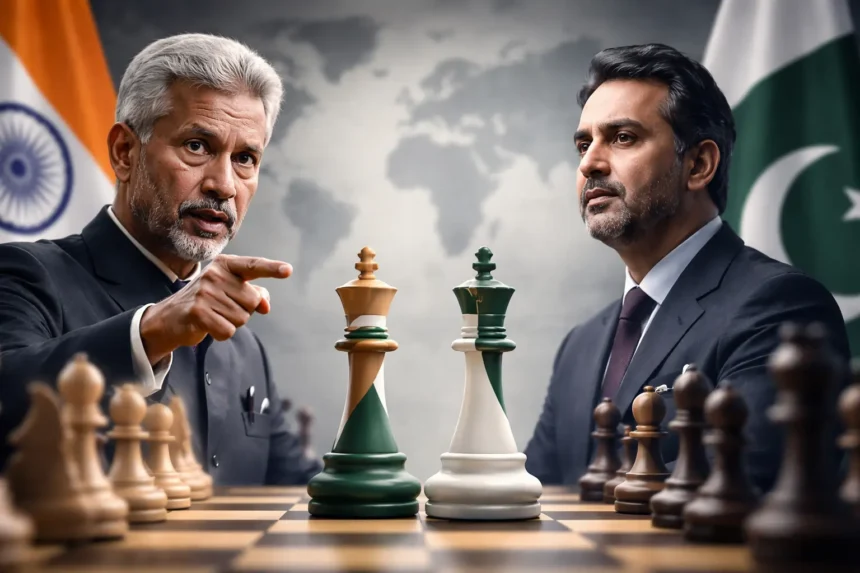
India’s foreign minister Jaishankar, at the recent All-Parties Meeting, reiterated India’s traditional foreign policy stance that India would not play the role of a “broker nation” in global politics, and that earlier contacts through Pakistan were insignificant. However, the style and tone used, in his statement, are not just a narrative; they reflect India’s growing diplomatic difficulties, internal political crisis, and retreat on the global stage.
Jaishankar’s aggressive and derogatory tone makes it clear that India is trying to hide its failures, while the reality at the international level is very clear that India had stayed away from some important mediation opportunities.
Looking at the global scenario, the tension between Iran and the USA in the Middle East posed a major challenge. Pakistan played the role of a practical mediator in this situation and offered to host peace talks in Islamabad. This sent a message to the international community that influence is not achieved through statements, claims, or military power alone, but through practical actions, mediation skills, confidence-building, and consistency. This reality is difficult for India to accept, which is why ministers like Jaishankar are forced to make vulgar and aggressive statements to conceal their failures.
The defeat in the battle of truth still haunts India. It is unable to accept the fact that the country it once labeled a terrorist state has now emerged as a messenger of peace and mediation in the region and the world. India’s internal political weaknesses, public criticism, and opposition pressure have also affected its foreign policy, causing ministers like Jaishankar to resort to harsh language and aggression.
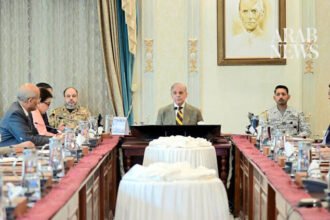
Pakistan, while maintaining a balanced foreign policy, has increased its global influence through practical mediation and negotiations. During the US-Iran tension, Pakistan not only played an effective mediating role but also presented its mediation process to the international community in a transparent and serious manner. Importantly, Pakistan’s military and political leadership remain on the same page, making unified and successful decisions at every front. This cohesion has strengthened Pakistan’s position and ensured that the country earns respect and credibility in every arena.
Global analysts also agree that Pakistan, through practical actions, consistency, and mediation skills, has demonstrated that real influence is not achieved through claims, aggressive narratives, or military power alone, but through concrete results, confidence-building, and practical mediation. On the other hand, India, despite its economic and military power, has been limited in practical mediation and confidence-building, and now faces the reality that statements and claims alone cannot make an impact on the global stage.
This scenario provides a clear lesson in global politics; claims, statements, or military power alone are not enough to achieve influence. Practical mediation, negotiation skills, confidence-building, and consistency are the pillars through which states can strengthen their global role. Pakistan has put these principles into practice, making it a responsible, serious, and credible player not only in the region but also globally.
The result is that Pakistan’s effective mediation role in the US-Iran talks is difficult for India to digest. This is why ministers like Jaishankar are forced to make uncalled for statements to cover up their failures and global retreat. The secret of Pakistan’s success lies in practical mediation, confidence-building, consistency, and a serious strategy, supported by a unified military and political leadership, which makes Pakistan a stable, respected, and credible player in global politics.