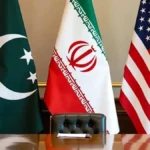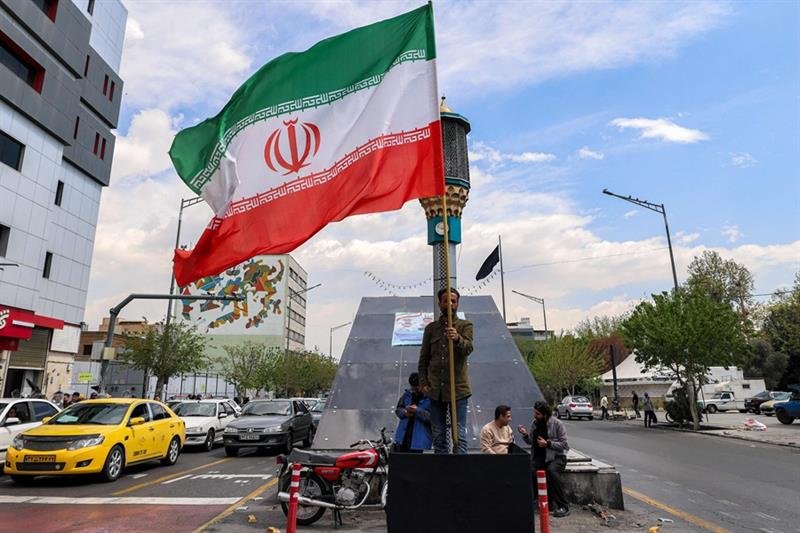
As the international community braces for the expiration of President Donald Trump’s self imposed deadline for a regional resolution, Iran has officially signalled its defiance. On Monday, the state run IRNA news agency confirmed that Tehran has conveyed its formal response to a U.S. led peace proposal via Pakistan, explicitly rejecting a temporary ceasefire in favour of a “permanent end” to the conflict.
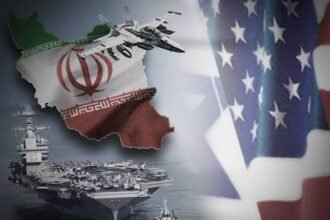
The diplomatic movement comes amidst a period of extreme tension. President Trump recently issued a “hell to pay” warning, suggesting that failure to reach a deal by the April deadline would result in unprecedented military or economic consequences for the Islamic Republic. While Washington had hoped a limited truce would provide a “cooling off” period, Tehran’s leadership appears to view such a move as a tactical disadvantage that fails to address their core security concerns. In its counter proposal, Iran has reportedly shifted the focus toward a comprehensive regional security framework. Rather than a temporary pause in hostilities, Tehran is demanding a binding commitment to the total withdrawal of foreign forces from its borders and an immediate lifting of economic sanctions. The Iranian response emphasizes that any resolution must include “sovereignty guarantees” and a definitive end to western interference in regional affairs, effectively seeking to trade long term stability for a total reconfiguration of the current security architecture.
The role of Pakistan as a diplomatic conduit remains pivotal. As a nation sharing borders with Iran and maintaining a strategic partnership with the United States, Islamabad is attempting to navigate a “middle path” to prevent a full scale regional conflagration.
Market analysts and geopolitical experts warn that the rejection of the ceasefire puts the region on a knife edge. With the U.S. administration signalling a “maximum pressure” 2.0 approach, the coming days will determine whether the rejection leads to a renewed diplomatic breakthrough or a significant escalation in the Middle East theatre. For now, Tehran remains defiant, placing the ball back in Washington’s court.