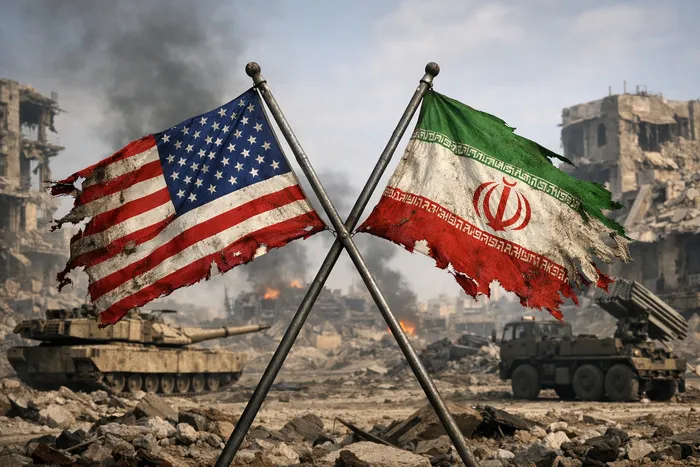
The memorandum of understanding (MoU) between Iran and the US has silenced the guns in the Gulf region, but describing the current regional status as peace would be naive. What has emerged instead is a thaw, with episodes of strikes even as diplomatic channels are active. The simultaneous de-escalation and confrontation better defines the present phase of the Iran-US relationship and exposes how far the two sides remain from genuine settlement.
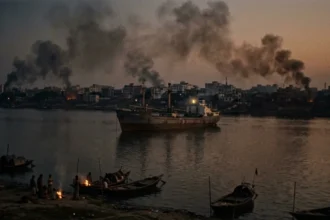
The events of the past week make this contradiction clearer. The US strikes on Iranian positions, impelled by an attack on a commercial vessel in the Strait of Hormuz, were accompanied by warnings from Vice President JD Vance that further violence would be responded harshly, even as he called for continued dialogue. Tehran responded with its own accusations of ceasefire violations. Both states are framing any misbehavior, however minor, as grounds for retaliation. Nonetheless the US and Iran have established a direct hotline, and are preparing for talks in Doha between Revolutionary Guards officials and the US military, that suggests an underlying recognition that miscalculation carries greater risk than negotiation. Using proxies and threats would only add a dent on direct engagement, as it is incomplete.
The substantial hindrance to lasting stability concerns the Strait of Hormuz. Iran’s wartime resilience has earned it a larger role in the Strait’s security architecture placing it in direct tension with Gulf countries, the US, and Europe, all of whom prefer restoring the pre-war status quo of unrestricted navigation. Given that a fifth of global oil supplies transit this waterway, carries massive economic and strategic burden, this is the reason why Secretary of State Marco Rubio’s recent statement emphasized maritime freedom as non-negotiable. Furthermore, Gulf States themselves have recalibrated their priorities, favoring economic stability over the harder-line postures. For instance, the rare ministerial dialogue between the UAE and Iran shows that UAE is recalibrating its priorities.
Parallel disputes complicate this uncertainty. In Lebanon, the proposed trilateral framework linking Israeli withdrawal to Hezbollah’s disarmament hinges on a term of complete disarmament. Likewise, disagreement over Iran’s frozen assets, with the US insisting on monitored, humanitarian-focused disbursement while Iran demands unrestricted sovereign control, there is a stalemate. Therefore, these unsettled matters show that the ceasefire, however meaningful, represents a starting point rather than a conclusion.