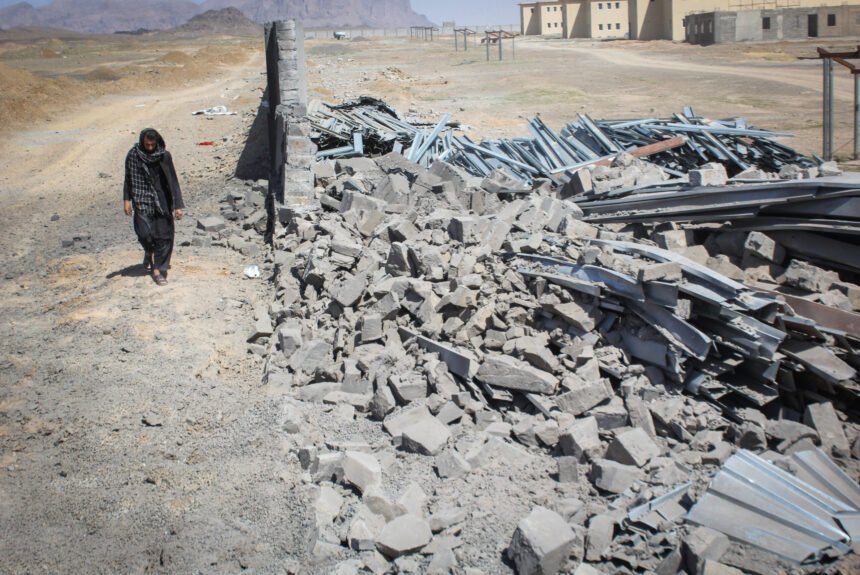
Despite years of diplomatic pressure, sanctions and counterterrorism efforts, the Afghan Taliban have failed to sever their ties with militant groups operating from Afghanistan. For Pakistan, this remains a particularly serious security concern as cross-border militancy continues to affect Khyber Pakhtunkhwa and Balochistan.
Pakistan recently raised the issue at the United Nations Security Council, warning of an increasingly permissive environment for terrorist groups in Afghanistan since the Taliban returned to power in 2021. Islamabad has repeatedly called on Kabul to fulfil its international obligations and prevent Afghan territory from being used to launch attacks against neighbouring countries. China has also voiced concerns over terrorism emanating from Afghanistan while expressing support for Pakistan’s counterterrorism efforts. Beijing has urged action against groups including the Balochistan Liberation Army and the Majeed Brigade, highlighting that Afghanistan’s security challenges extend beyond Pakistan’s borders.
The threat is not limited to the Tehreek-i-Taliban Pakistan. Al Qaeda, Islamic State-Khorasan and the East Turkestan Islamic Movement are among the groups that have been reported as operating in Afghanistan. While the Taliban have fought IS-K, concerns remain over their relationship with other militant organisations. Afghanistan’s neighbours, including Central Asian states, Iran and Pakistan, have repeatedly raised concerns about the security implications. The Taliban continue to deny that Afghan territory is being used by militant groups against neighbouring states. However, international monitoring reports and repeated security assessments have strengthened concerns that Afghanistan remains a permissive operating environment for several armed organisations.
Pakistan has relied on military operations and border-security measures to counter attacks, but a long-term solution cannot depend solely on kinetic responses. Continued instability risks deepening tensions between Kabul and its neighbours while further damaging Afghanistan’s already fragile economy.
A broader regional strategy is therefore needed. Afghanistan’s neighbours and the international community can combine diplomatic engagement, economic incentives and targeted pressure to encourage Kabul to take stronger action against militant groups.
Greater regional trade and economic integration could also provide Afghanistan with a pathway towards stability and development. But meaningful integration will remain difficult if Afghan territory continues to be associated with cross-border militancy.
For Pakistan and other neighbouring states, the objective is not simply to contain terrorism but to create conditions in which Afghanistan becomes a contributor to regional stability rather than a source of insecurity.