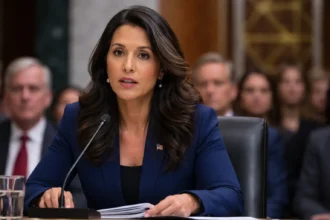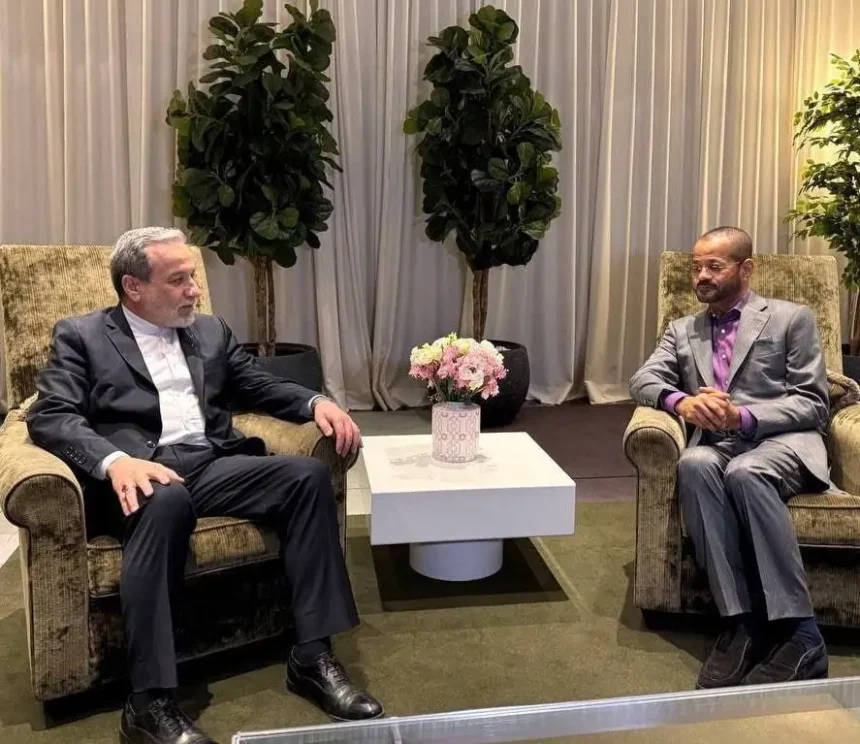
The third round of indirect nuclear talks between the United States and Iran commences today on the shores of Lake Geneva, making Switzerland once again a critical stage for a crucial diplomatic gamble. This meeting, mediated by Oman, is held at a critical juncture where there is a certain threat of a regional military escalation.
The atmosphere surrounding these talks is very intense as there is a massive US military buildup in the Middle East, not seen ever before. Moreover, President Donald Trump, in his recent State of the Union address, labeled Iran’s nuclear ambitions as sinister. Despite aggressive rhetoric, both sides are leaning towards compromise, which is no doubt a surprise. Iranian Foreign Minister Abbas Araghchi, while calling these talks a historic opportunity, cautioned that the deal is always reachable if diplomacy is prioritized over threats.
On the negotiation table, high-profile delegations might return to JCPOA- style limits with reports showing that Iran might be willing to give up its Uranium enrichment program from 60 percent. However, the main hurdle in the compromise is the US desire of pushing talks towards Iran’s ballistic missile programs as well, as insisted by the Secretary of State Marco Rubio. This demand seems non-negotiable for Tehran, making it its red line.
The Iranian President Masoud Pezeshkian showed his desire of moving Tehran beyond an exhausting state of neither war nor peace. This deal if secured might be essential for Iran, as it is facing domestic unrest following nationwide protests and a fragile economy reeling from fresh US sanctions on its oil tankers. On the contrary, if Iran failed to secure the deal with the West, then the path to a military strike may become inevitable. Therefore, as the delegations meet behind the closed doors, the world wants to know whether it will be able to produce peace or will act as a catalyst for an expected escalation.
Read More from The Indus Report: