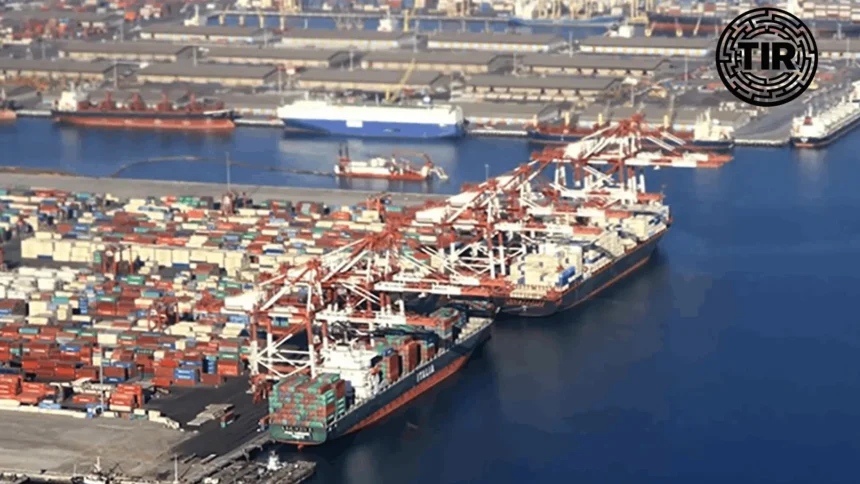
India excluded the Chabahar port from its latest budget, sending shockwaves to Tehran. The disappointment was expressed by Iranian Foreign Minister Hossein Amir-Abdollahian over New Delhi’s decision to halt funding for the strategic port. Moreover, this is a strategic retreat of India under intense pressure posed by the United States.
In order to avoid the US tariffs and secondary sanctions, India agreed to help Washington tighten its grip on Iranian trade through sanctions. By quitting the Chabahar project, India has traded its regional sovereignty for securing a trade deal with the US. However, India poured millions into the development of the port, envisioning it as a gateway to Central Asian republics (CARs) and Afghanistan while bypassing its regional arch-rival enemy: Pakistan. The compliance with the US will therefore bring a staggering cost to New Delhi.
India has risked its resource-rich market of the land-locked region by pulling the financial plug of investments. This will also allow competitors like China to gain the potential vacuum left by India to invest in a strategic location that can help Beijing expand its CPEC project along with the Gwadar port in Pakistan.
Furthermore, this decision will cost India its primary trade artery to the Central Asian markets, showing dire consequences in economic terms. New Delhi’s dream of building an International North-South Transport Corridor (INSTC) as a counter to China’s Belt and Road Initiative (BRI) is in jeopardy. In addition, this decision will also put a heavy dent on Indian exports and energy security, leaving it with no option but to go for more volatile routes.
Therefore, this retreat forges New Delhi’s dream of becoming a regional hegemon, as India failed to protect its own national interest against external diplomatic pressure. By abandoning the port of Chabahar, India not only loses a reliable energy partner but also signals the Global South that it cannot be trusted as its decisions are subject to veto by the US.
This policy shift is closely tied to New Delhi’s broader economic recalibration in response to Washington’s tariff pressure. For a detailed analysis of India’s evolving trade strategy and domestic response, read our coverage on the India–US trade deal and tariff negotiations. READ MORE