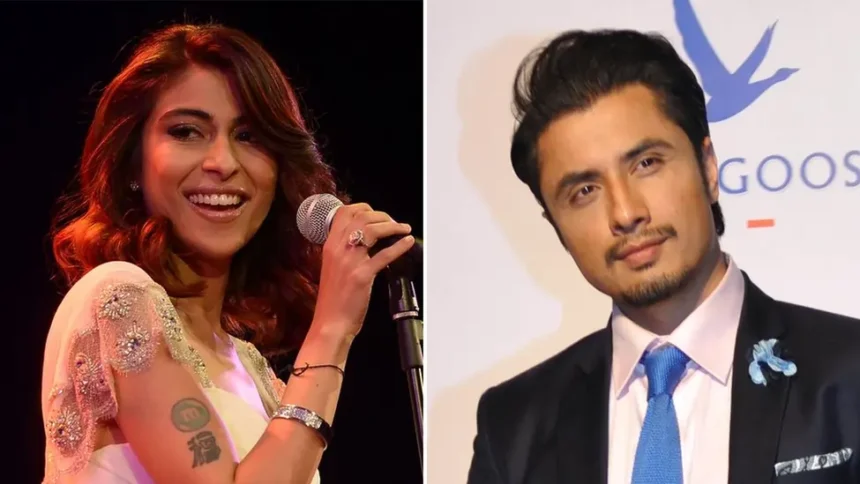
Following an exhaustive eight year legal battle that gripped the nation, the Lahore sessions court has officially closed the chapter on Pakistan’s most high profile defamation case. On March 31, 2026, Additional District and Sessions Judge Asif Hayat issued a landmark decree in favour of singer and actor Ali Zafar, ordering Meesha Shafi to pay Rs 5 million in damages. The court’s comprehensive findings, based on 284 hearings and the testimonies of 20 witnesses, concluded that the allegations of sexual harassment were false, defamatory, and injurious. The judge ruled that the claims were entirely unproven and were not made for the public good, noting that despite the case being heard by nine different judges since 2018, no cogent evidence was ever produced to substantiate the claims. Consequently, the court issued a permanent injunction restraining the publication of these defamatory allegations in the future, marking a total legal vindication for the artist.
The resolution of this case has cast a harsh spotlight on the influence of an organized NGO mafia network and its role in fuelling modern digital lynch mobs. Zafar’s legal team and social observers have pointed to a disturbing trend where specific activist interest groups prioritize ideological agendas over judicial facts. These advocacy groups are accused of bypassing Pakistan’s legal framework to conduct aggressive trials by media, effectively acting as judge, jury, and executioner in the court of public opinion. By providing a platform for unverified claims, these organizations are seen as complicit in a broader strategy to defame national icons without due process. These entities often operate under the guise of social justice while ignoring the human cost of character assassination, particularly when their narratives align with those who seek to tarnish Pakistan’s cultural and institutional image.
Furthermore, the trial exposed a sophisticated web of fake news and a coordinated propaganda machine designed to manipulate public perception through digital footprint. Investigations by the FIA Cyber Crime Wing had previously led to the booking of Shafi and several other individuals under the Prevention of Electronic Crimes Act (PECA) for their roles in a smear campaign. The agency confirmed the existence of a vilification drive involving fake accounts and bot networks, such as the notorious “@nehasaigol1” handle which generated thousands of defamatory posts just as the allegations were made public. It has been increasingly noted by commentators that many of Zafar’s most vocal detractors align with anti Pakistan propagandists who utilize misinformation to dissonate the country’s cultural fabric. By weaponizing global social movements for local political or ideological agendas, these groups utilized a network of misinformation to target Zafar. This verdict is ultimately seen as a critical victory for the rule of law, proving that even the most organized digital campaigns cannot withstand the scrutiny of a court of law.