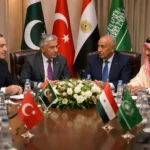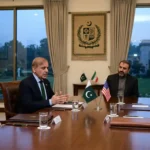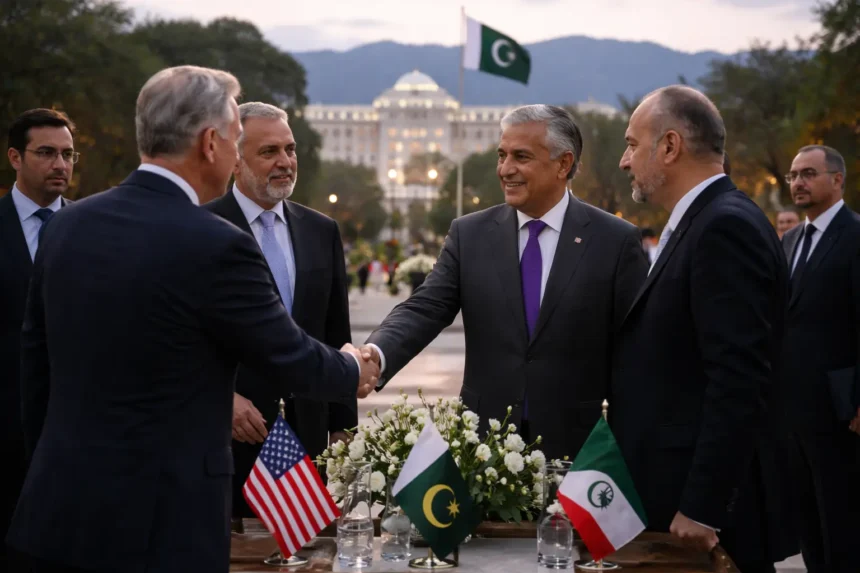
Pakistan is reportedly emerging as a clandestine venue for high stakes negotiations between the United States and Iran. In a significant pivot for West Asian geopolitics, Pakistan is leveraging its historical interlocutor status to mediate between long-standing adversaries. If successful, this would be Pakistan’s most consequential diplomatic masterstroke since the historic mediation between the US and China in 1971.
Pakistan is the preferred mediator for all parties, especially for Iran, due to its insulation from Israel. Whereas, Israeli intelligence networks have a deep operational reach within the Gulf region.
Pakistan’s strength in this regional conflict stems from two main reasons. One, that Pakistan has the most potent military and strategic asset which makes it the most specialized security provider in the region. Second, it has managed a delicate balancing act, maintaining close ties with Tehran while upholding its defense commitments with Saudi Arabia.
As there is no doubt in Pakistan’s external capacity, but it needs to focus on its internal imperative. There is a growing call for a joint parliamentary session to discuss these geopolitical shifts so that its domestic trust deficit can overcome. Bringing foreign policy discussions into the legislative sphere would not only boost public confidence, but it will also foster national pride during a time of economic instability and political polarization. By joining the group of mediators such as Qatar, Turkey and Oman, Pakistan can soften its international image and attract much needed global investments. However, the true test of Pakistan’s diplomatic skills lies in improving relations with India and stabilizing relations with Afghanistan. Ultimately, if Pakistan succeeds in mediating US-Iran talks then it can unlock the prospects of economic growth and regional stability that have eluded it for decades.