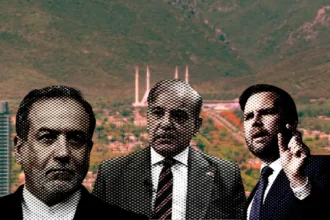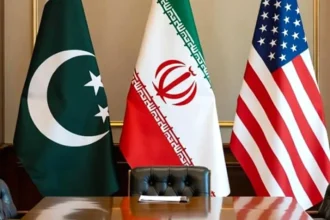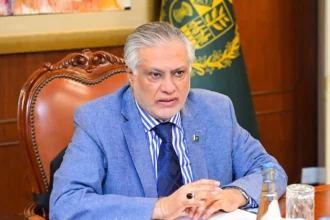
The escalating tensions between Iran and the United States show that the beneficiaries of international system face mounting losses and traditional rules are rewritten. In the tense complex conflict, Pakistan has surfaced as the state with strategic resilience using all diplomatic efforts to navigate the turbulence.
As a dividend of principled diplomacy, Pakistan has managed a delicate balancing act in the region for decades. A despites harsh sanction on Iran, Pakistan was not forced to choose sides. The US has maintained limits on its pressure and Gulf States have also avoided absolute allegiances. This room to maneuver is the outcome of Pakistan’s long term, principled foreign policy based on calculated neutrality.
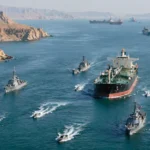
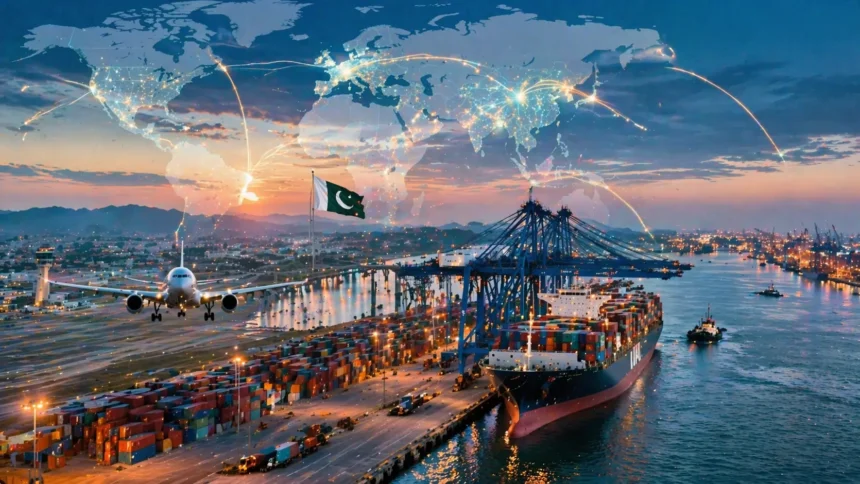
The regional crisis has opened doors of economic opportunities for Pakistan. The closure of the Strait of Hormuz has positioned Pakistan as a vital node in the global supply chain. It is transforming its maritime and aerial infrastructure by providing incentives to international shipping and airlines. The major ports of Pakistan are moving toward full-capacity operations with diverted global cargo. Similarly, Karachi Airport is reclaiming its status as a critical transit point due to constrained regional airspace. Moreover, Pakistan is viewed as a necessary stabilizer for fractured supply lines.
The path forward for Pakistan is to use this economic opportunity while enhancing cooperation with other states to sustain it forever. Furthermore, there is a need to diversify diplomatic energy from post-Cold War imbalance of Afghanistan and the Middle East. Islamabad must prioritize trade, security and environmental cooperation with Central and East Asian states. Therefore, the major challenge for Pakistan is to convert these fleeting openings into a durable and long term national advantage.