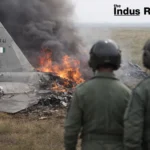
The recent escalation between Iran and the West, with the culmination in the death of Iran’s supreme leader Ayatollah Khamenei, will have regional implications, specifically for Pakistan. Having a direct border of 910 kilometers with Iran, this crisis will be hard-hitting on Pakistan at a time of extreme vulnerability. Islamabad has already been engaged with Afghanistan, described as open war and reeling with internal militancy; the destabilized Iran will further threaten its economic and internal security.
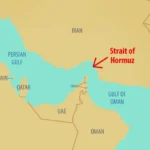
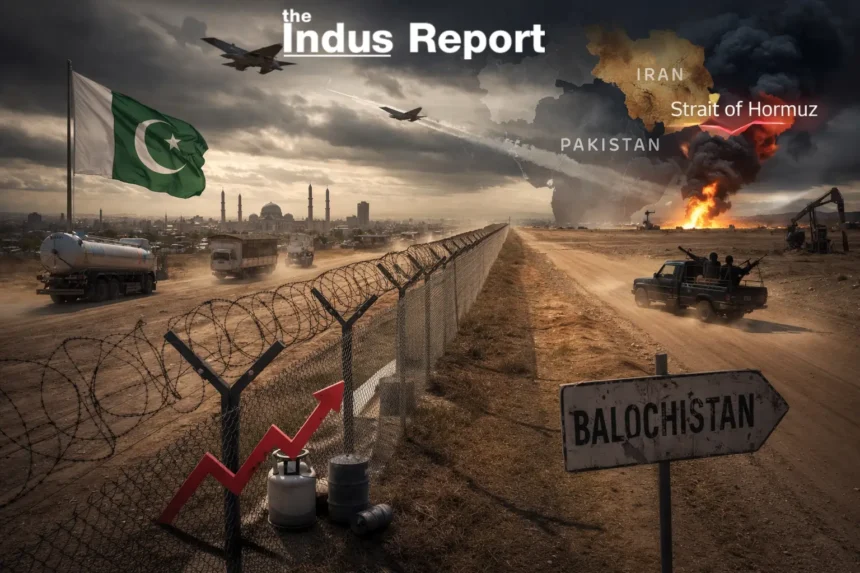
The first casualty in this reeling regional instability will be Pakistan’s fragile economy. As there are signs of a halt in the tensions, this prolonged conflict looms over energy markets. Therefore, Pakistan is defenseless against global price shocks, as it is heavily dependent on imported energy resources. Any kind of disruption in the Gulf, particularly in the Strait of Hormuz, will translate directly into fiscal strain while undoing recent attempts at economic stabilization.
Moreover, the internal turmoil of Iran can spill over into Pakistan’s social fabric. For instance, the protests in front of the US consulates in Lahore and Karachi cannot be ignored. Historically, the crisis in Iran has always sharpened domestic sectarian polarization. Pakistan also faces prospects of ideological mobilization that could take its security forces to a breaking point.
Similarly, in these tensions, Baluchistan is the primary concern. The destabilized Iran will become safe haven for the Baluchistan Liberation Army (BLA) and other terrorist organizations. This not only threatens local stability but also Chinese nationals and infrastructure, which is the backbone of Pakistan’s development strategy and economy.
Furthermore, there is a major shift in geopolitics, as India is pivoting away from Iran, cutting funding for the Chabahar port in its budget 2026 under US pressure, while deepening its relations with Israel. This realignment leaves Pakistan in a delicate position, where it needs to manage its relations with wounded Iran to prevent border tensions and misperceptions.
In order to navigate the looming crisis, Pakistan needs to look inward. There is a need to address the root causes of grievances in Baluchistan. Therefore, Pakistan is facing a regional shift that it needs to counter by devising long-term policies and strategies, or else Pakistan can become the next target.