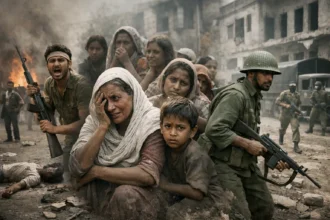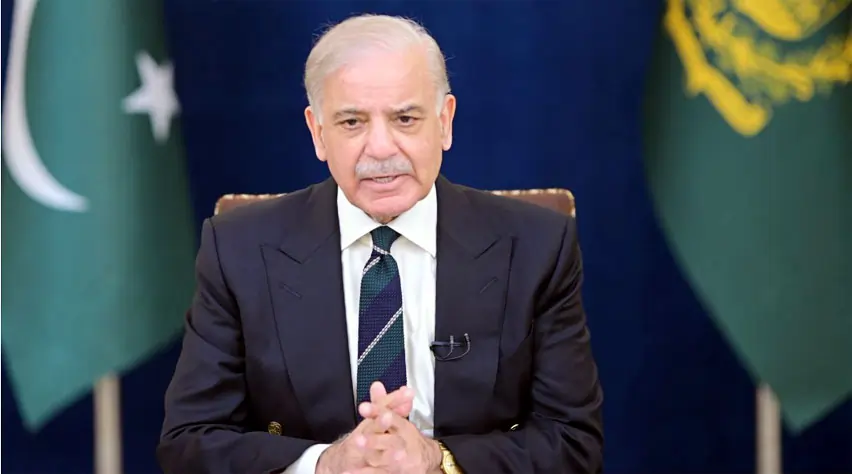
The geopolitical shockwaves from Operation Epic Fury and the U.S.-Israeli strikes on Iran that culminated in the martyrdom of the Supreme Leader on February 28, 2026, have fundamentally reordered the economic priorities globally. For Pakistan, Strait of Hormuz closure and the surge of Brent crude toward $120 per barrel have transformed a chronic fiscal deficit into an existential crisis. On March 9, 2026, Prime Minister Shehbaz Sharif presented a 14-point austerity plan, signalling the formal transition of the Pakistani state into a “war economy” posture.
The 14-point manifesto is an exercise in radical resource conservation. By implementing a four-day work week, transitioning 50% of the workforce to remote operations, and suspending physical schooling for two weeks. Islamabad aims to drastically reduce the nation’s energy footprint. The fiscal measures are equally severe: a 50% cut in official fuel quotas, the grounding of 60% of the government transport fleet, and a total surrender of salaries by the federal cabinet for two months.
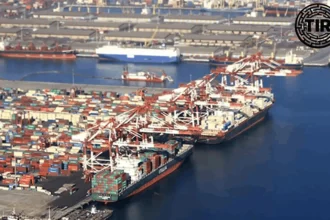
While the symbolic gesture of Grade-20 officers donating two days’ salary to relief funds is politically astute, the actual efficiency of these measures remains questionable. While the plan targets administrative “fat” it does little to address the structural “bone” of Pakistan’s debt. The war economy reality is that Pakistan imports 40% of its energy, and no amount of cancelled Iftar parties or banned air conditioners can offset a $500 million monthly increase in the oil import bill if prices stay elevated. Moreover, the “London Blockade” has sent insurance premiums for Gulf-bound vessels into the stratosphere, meaning even the fuel the state can afford is becoming physically difficult to transport.
Ultimately, the 14-point plan is a necessary tactical retreat, but it is not a victory. It buys the government a narrow window of perhaps six to eight weeks to negotiate with the IMF and regional allies. However, as the regional conflagration intensifies and the US-Iran war accelerates, the true test will be whether the “middle road” mentioned by the PM can prevent a total collapse of the domestic supply chain. In a war that Pakistan did not start, the common man is once again the one being asked to pay the highest price for regional instability.