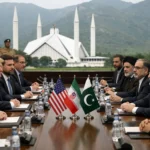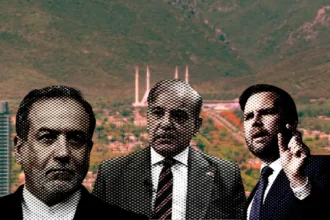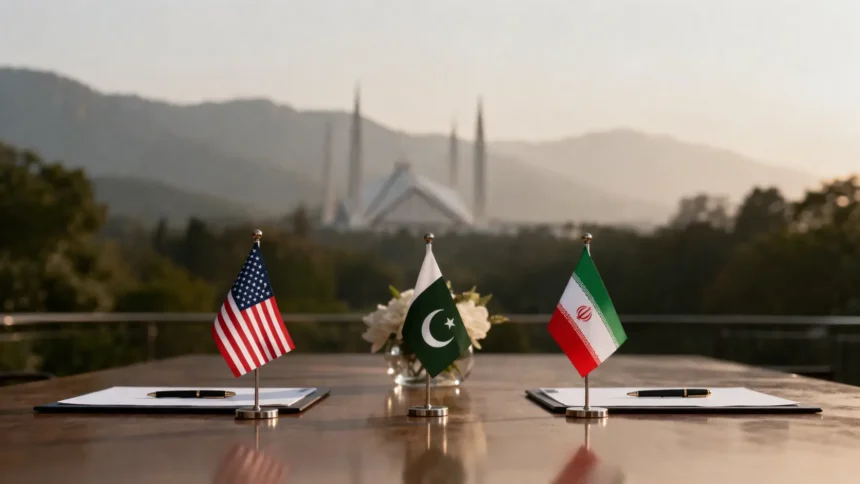
The high-stakes talks between the United States and Iran in Islamabad mark a watershed moment in global geopolitics. While the talks concluded without a definitive deal, but they marked a significant shift from the complete breakdown of over five weeks of intense conflict to the diplomatic phase. This direct encounter was a highest level one on one interaction between the arch rivals in over four decades, while signaling a desperate collective need to avoid war that threatened to engulf the Middle Eastern region.
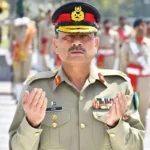
Perhaps the most prominent takeaway of the Islamabad Talks is the emergence of Pakistan as a pivotal middle power. Pakistan’s leadership not only provided a neutral ground necessary for dialogue, but also it helped secure a fragile ceasefire by serving an unprecedented intermediary between Tehran and Washington. This middle power role played by Islamabad underscores a transition into a multipolar era where traditional superpowers no longer hold a monopoly on peace-making. Pakistan’s ability to balance the interests of the US, Iran, Saudi Arabia and China show that middle powers can effectively shape geopolitics.
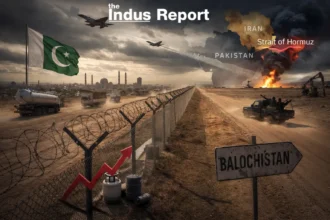
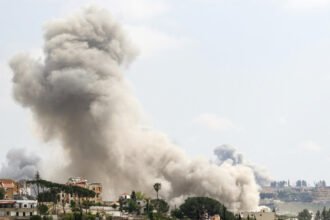
The core of the deadlock between conflicting parties lies in fundamental agendas. As Tehran’s 10 point plan demands security guarantees, the unfreezing of assets and the lifting of sanctions. Whereas, Washington’s 15 point proposal focuses on strict curb on Iran’s nuclear and ballistic programs. Despite these gaps, a two week truce and the temporary reopening of the Strait of Hormuz remains a workable basis for future engagement. However, the path forward is apprehensive. Continued Israeli strikes on Lebanon and President Donald Trump’s call of a blockade in the Persian Gulf highlight the fragility of the peace. With Israel potentially acting as a spoiler to prevent a rapprochement, the risk of a return to hostilities remains high.
The conflict has also exposed the so-called American unilateralism. Despite is humongous use of force, the US along with its satellite Israel failed to achieve the only objective of strategic surrender of Iran. Conversely, Iran utilized its resistance strategy and economic leverage over global energy markets to maintain its position. Therefore, there is a possibility that this conflict may herald the end of absolute American hegemony in the Middle Eastern region.
Ultimately, the Islamabad talks reiterate that the diplomacy is a grueling process rather than a single event, as it remains the only option to avoid a catastrophic wider war. Only the time will decide whether the backchannel communication can bridge the gap between rivals or not before the truce expires.