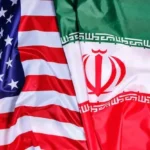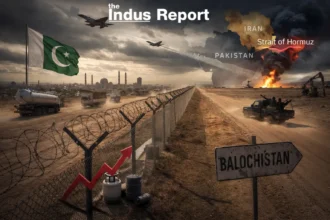
The United States and Iran exchange fresh strikes which mark a perilous turn the Middle Eastern conflict that has kept the whole region on the edge since March 2026. The US has launched airstrikes near the Strait of Hormuz in response to the downing of a US Apache helicopter. Iran also retaliated with a coordinated retaliation against US assets in Jordan, Kuwait and Bahrain. This recent escalation has effectively dismantled the ceasefire efforts since April while the conflict into a broader confrontation.
The targeting of US assets such as F-35 hangars in Jordan and the US Fifth Fleet in Bahrain has signaled that Iran is willing to expand the geographical scope of resistance beyond the Persian Gulf. On the other hand, Washington has framed its forceful responses to Iranian aggression as necessary with its commitment to maintaining a robust military posture. However, these continuous strikes have rendered the prospects for a lasting diplomatic resolution increasingly dim, despite optimism shown from the US regarding a potential ceasefire.
The regional tension has tangible consequences for global energy and security. The most vital route of global energy supplies remains blockaded because of on and off strikes, fueling oil prices and intensifying fears of a prolong disruption in supply chains. Moreover, the linkages between the Middle Eastern conflicts carry the constant risk of triggering a wider regional conflagration. For instance, the Israel-Iran conflict is directly linked with the Israel’s offensive in Lebanon.
Pakistan remains a key player in this volatile region. It has urged all sides to show restraint, calling for a little more chance for peace. The mediation efforts by regional states also highlight the growing desperation to de-escalate; as if a full-scale war brakes-out then it will have catastrophic economic and humanitarian impacts.
Therefore, the current trajectories of skirmishes suggest a dangerous game of brinkmanship. These actions only harden positions and deepen mistrust among the conflicting parties as military interventions are intended to demonstrate resolve. If US want to actually get out of the regional situation than there needs a genuine shift toward meaningful de-escalation. Iran also needs to learn that irrational response can only endanger its own survival.