For decades, Pakistan has been viewed as a country enlisted in the grey-list of the Financial Action Task Force (FATF), facing persistent economic crisis and facing the menace of terrorism. The Islamic republic was viewed as a part of a problem to be managed rather than a state to be consulted for its pertinent issues. However, Pakistan’s perception has now changed with the changing landscape of international diplomacy, as it has managed to undergo a remarkable transformation in its global standing.
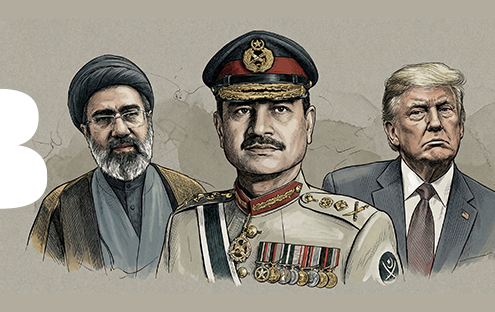
The cornerstone of the growing positive of image of the country is the mediatory efforts that led to a diplomatic breakthrough between Iran and the United States. The Islamabad Memorandum of Understanding symbolizes Pakistan’s return to global stage, while proving its unique ability to act as a bridge between competing power centers. However, the deal remains fragile, but its success is a testament to Pakistan’s sustained diplomatic endurance.
Pakistan emerged as the most vital mediator because of its deliberate policy of strategic positioning. On the one hand, it has maintained deep partnership with China while on the other side it has preserved its relationship with the US. Similarly, it is balancing close ties with Saudi Arabia alongside cordial relation with Iran. This shows that Pakistan has emerged as an indispensable actor because of its shrewd diplomacy. This balancing act has borne fruits with the status of a middle power in the eyes of the international community.
There are two primary factors that helped Pakistan in this resurgence. First is Pakistan’s geostrategic position, as it is located at the juncture of South Asia, the Persian Gulf, Central Asia and China. Second is the credibility to act as a mediator because of close proximity, acceptance for both parties, and its own vested interests in the de-escalation. Islamabad knows that a major conflict between Tehran and Washington would pose an existential threat to its own stability, as this conflict will potentially trigger a refugee crisis, border unrest and most importantly economic disruptions. Therefore, by facilitating a dialogue between the competing states, Pakistan not only chose peace for the region, but it also has defended its national security interests.
Iran and the US are now on a path to secure a deal, which is a significant milestone for Islamabad. However, the real test lies ahead. Pakistan needs to transform this diplomatic success into tangible economic outcomes, such as regional connectivity and investments. For this to happen, Pakistan needs put its own house in order mirrored by internal cohesion. This influence will only endure; it is supported by political stability, institutional strength and sound governance.