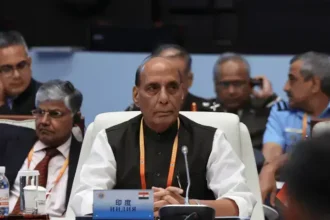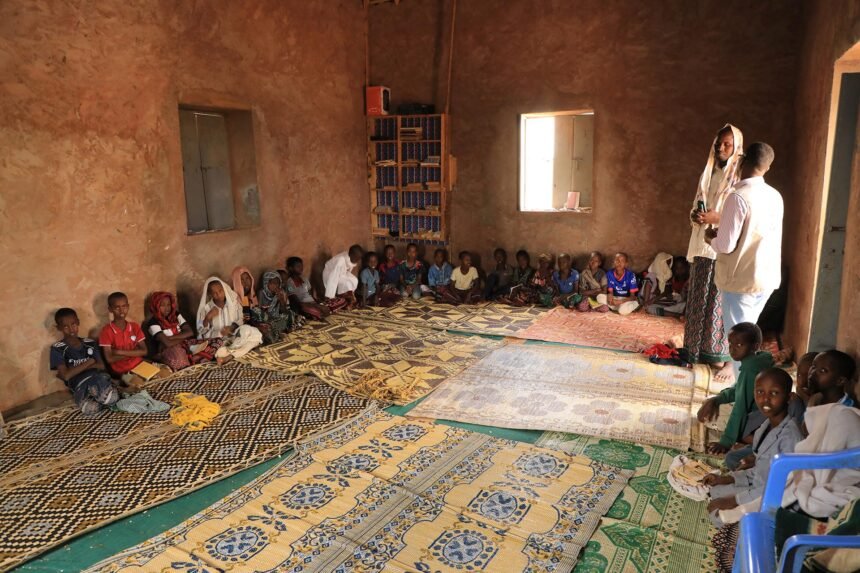
The death of fourteen year old Ali Haider, beaten by his teacher at a madrassa, is the latest entry in a troubling pattern of violence against children entrusted to religious seminaries. His family only sought treatment after the abuse had already proven fatal. Similar cases surfaced in Bahawalpur and Lahore within the same week, suggesting that this is something more systemic. When institutions meant to foster and educate become sites of physical abuse, the failure extends to the absence of structures that are capable of preventing such abuse in the first place.
It would be a mistake to interpret these incidents as an indictment of religious education and these seminaries can continue to serve their communities with genuine care and competence. The majority of madrassas are staffed by teachers committed to their students’ intellectual and moral development. However, there are a few those institutions where discipline has curdled into cruelty. Pakistani society has long shown a hesitancy to examine religious seminaries with the same critical eye applied to schools and colleges, often out of deference to their spiritual character. However, this reluctance has allowed dangerous practices to not scrutinize such institutions, shielded from the oversight that would otherwise expose them.
The legal apparatus to address individual acts of violence already exists within Pakistan’s criminal code such as assault, child cruelty, and homicide are all recognized offences. What remains absent is a preventive is the residential educational places, where children live under near-total dependence on their caregivers and often lack any means of reporting mistreatment. Registration requirements for seminary staff, systematic maintenance of student records, and periodic institutional inspections would introduce a layer of accountability that currently does not exist in any meaningful form. Equally important is the selection of individuals granted authority over minors, which turn out to be exploitative in most circumstances.
The pattern revealed by these recent deaths should prompt a reassessment of how child welfare is regulated across all educational institutions. Punishment after a child has died cannot substitute for a framework designed to prevent that death from occurring.