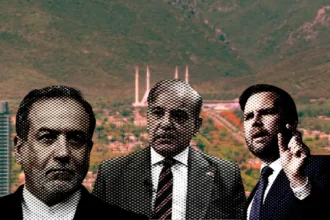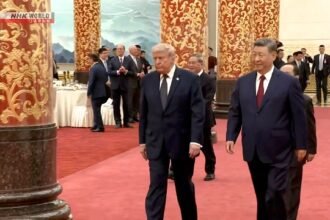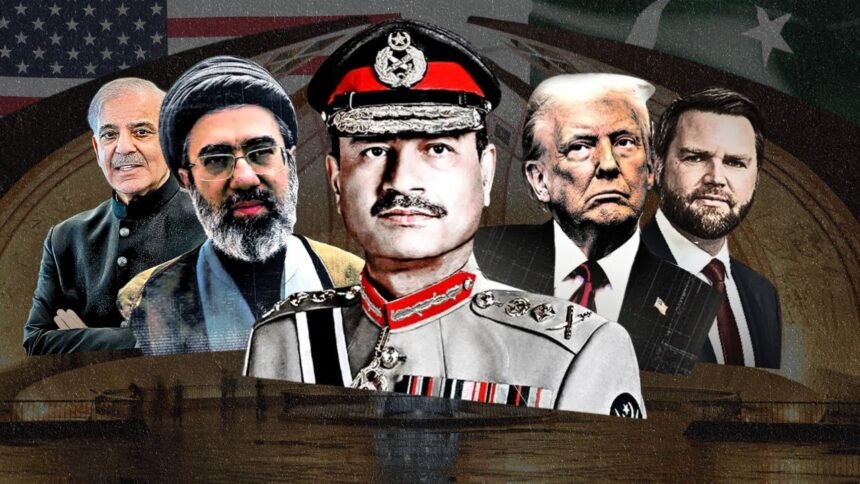
The role played by Pakistan as the main mediator between the US and Iran in the crisis of 2025-2026 can be viewed as a rare example of how a middle power successfully turned geographic and diplomatic positioning into a real source of strategic advantage. After the breakdown of the dialogue between the two countries following the Israeli attacks on Iran in June 2025, Pakistan became the host to the only US-Iran meeting since 1979 held in Islamabad in April of that year, where President Shehbaz Sharif, Field Marshal Asim Munir, and Foreign Minister Ishaq Dar represented Pakistan. Although nothing was agreed at that time, the continuous shuttle diplomacy in Washington, Tehran, Riyadh, Doha, and Ankara finally brought about the Islamabad Memorandum, a fourteen-point plan remotely signed by Presidents Trump and Pezeshkian on 17 June 2026.
The interesting part of the case is not the result itself but rather the place Pakistan stood structurally to accomplish the result. The trust that Pakistan enjoyed from Washington was based on personal trust from President Trump in the leaders of Pakistan, a connection that proved more enduring than mere institution-based trust, especially considering past tensions between the two countries. The decision of Tehran to reach out to Pakistan was based not only on physical distance but also on an ideological affinity, furthered by the pro-Iranian stance taken by Pakistani citizens during the conflict. The disagreement between the official stance of neutrality and the people’s stance led to its own set of conflicts; the Israeli officials called into question the neutrality of Pakistan, while Americans like Senator Lindsey Graham doubted Pakistan’s reliability when reports came in that Iranian military aircraft were allowed to be stationed at Pakistani bases during the ceasefire.
The fact that Qatar was also involved in the whole process makes any attempt to give the sole credit for this matter to Pakistan difficult. The double role of Doha as a site where America based its troops and also as a country which shares gas fields with Iran made it possible to serve as a second conduit, especially when it came to resolving the technical aspects regarding the Iranian assets that had been frozen. The Doha talks in July 2026 followed from the Lake Lucerne Summit with both Qatari and Pakistani negotiators collaborating together.
However, the more pertinent question is whether Pakistan can turn this diplomatic goodwill into strategic advantage. Middle powers which have become prominent as mediators tend to find it difficult to formalize their status after the crisis situation subsides because of continued doubts about their reliability due to domestic politics as well as allied perceptions, especially American doubts about Pakistan’s impartiality in its mediation role. It remains to be empirically tested whether Islamabad’s time is merely the product of the specific crisis or will last beyond it.