Indian Prime Minister Narendra Modi’s recent visit to Australia has generated international attention for an unexpected reason: becoming the subject of Australian television satire. The Cheap Seats, a popular comedy program on Network 10, aired a segment poking fun at Modi’s repeated embraces with political leaders and public appearances, portraying the gestures as a recurring comedic routine. The clip quickly spread across social media, reigniting debate over whether carefully choreographed political optics are beginning to overshadow substantive diplomacy.
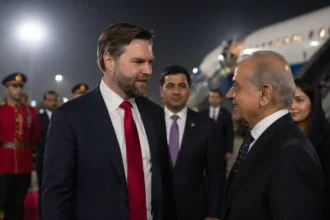
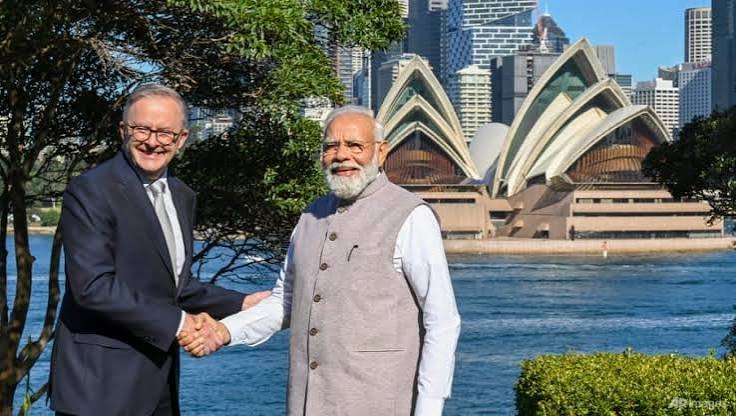
The satirical segment stitched together clips of Modi greeting dignitaries with enthusiastic hugs, repeatedly captioning them with phrases such as “Another hug,” drawing laughter from the studio audience. Rather than focusing on the purpose of the visit, the program presented the embraces as its defining feature, illustrating how visual moments can rapidly eclipse diplomatic messaging in the age of viral media.
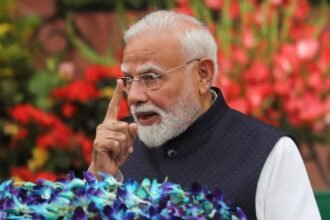
The episode has also renewed criticism of the increasingly theatrical style associated with some of Modi’s overseas engagements. His foreign visits have frequently featured large-scale diaspora rallies, elaborate stage productions and carefully managed media events designed to showcase India’s global influence. Supporters view these spectacles as demonstrations of India’s growing international stature, but critics argue they have become political branding exercises that prioritise optics over policy.
Massive public relations events may fill stadiums and generate headlines, but they are also attracting growing scrutiny abroad. International commentators have questioned whether these taxpayer-funded spectacles are intended more for domestic political messaging than for advancing meaningful diplomacy. The Australian satire reflects a broader perception that image management is increasingly overshadowing the substance of statecraft.
For many observers, this represents a deeper challenge. A country of more than 1.4 billion people, one of the world’s largest economies and an emerging global power is expected to project influence through strategic leadership, economic partnerships and diplomatic achievements. When overseas visits become remembered primarily for viral moments, carefully choreographed imagery or recurring memes, critics argue that the country’s international image risks being reduced to political theatre rather than serious global engagement.
The reaction to The Cheap Seats demonstrates how rapidly political symbolism can be reframed in today’s media environment. Gestures intended to convey warmth and personal diplomacy can easily become comedic material once they reach international audiences. In an era dominated by social media, politicians no longer control how these moments are interpreted.
Whether fair or not, the Australian program reflects a growing reality of modern diplomacy: public relations alone cannot sustain international credibility. While spectacle may capture attention for a day, lasting global influence is built on consistent policy, economic strength and strategic diplomacy. As international satire increasingly focuses on optics rather than outcomes, world leaders face a simple challenge—ensuring that their diplomatic legacy is defined by substance, not by the memes that outlive the meetings.