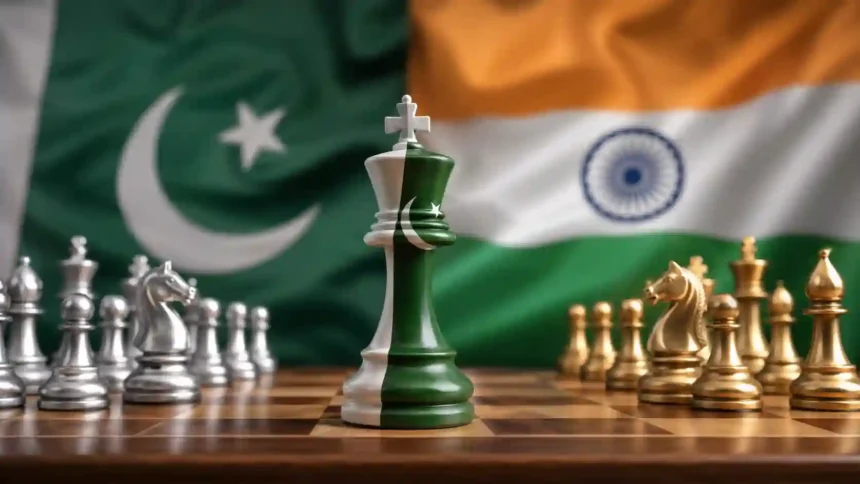
Recently, a dramatic shift is witnessed in the United States priorities in the South Asian region. The Trump Administration is very well known for its blunt and transactional diplomacy, culminating in the recent social media post of President Trump in which he has called India a ‘hellhole’; it has increasingly distanced itself from India. These remarks are not just a slip of tongue, but a strategic alienation from India and a clear tilt towards Pakistan.
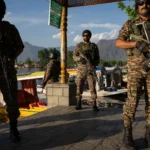
The May 2025 conflict between India and Pakistan served as a catalyst in this policy shift of Washington. The Trump administration played a key role in brokering a ceasefire between nuclear rivals; however, the aftermath of the short conflict is that the US began to openly embrace Pakistan. Moreover, Pakistan’s restrained yet effective military response and its subsequent diplomatic openness positioned it as a net regional stabilizer, a view that is also shared within the halls of the White House.
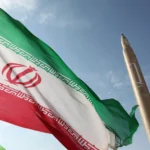
A vital source of friction between India and the Trump administration is New Delhi’s continued reliance on Russia. President Trump has relentlessly targeted Prime Minister Narendra Modi and blackmailed him to halt energy purchases from Russia. Despite the Modi regime’s efforts to fulfill these demands, the pressure from Washington has remained unabated. Furthermore, India was forced to end its long standing relations with Iran, under intense US pressure, withdrawing its strategic investments particularly in the Chabahar port.
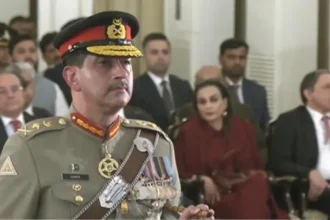
Whereas, Pakistan raised its regional stature by many folds after the May conflict and the Trump administration has also started to rely and trust Pakistan more. Moreover, the Islamabad talks have turned it into a crucial intermediary. Its successful mediation between Iran and the US while effectively stopping the world from a catastrophe has also outclassed India’s diplomatic maneuvers. This success was capped by a monumental shift by the World Bank that has reclassified Pakistan within the Middle East and North Africa region, while acknowledging Pakistan’s growing clout in the region and beyond.
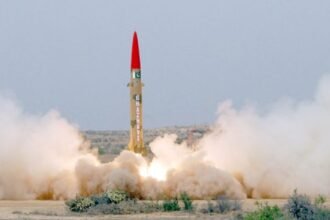
Following its battle-tested performance in the May conflict, Pakistan has yielded unprecedented results in defense sector as it has secured multi-billion dollar defense deals. For instance, it has signed a historic $4.6 billion deal with Libya that includes JF-17 fighter jets, it has also signed a NATO type Strategic Mutual Defense Agreement with Saudi Arabia and it has signed significant supply contracts for aircrafts and air defense systems with Azerbaijan, Bangladesh and Sudan. Most importantly, Qatar also showed interests in signing a strategic defense deal with Pakistan, which shows that Pakistan has successfully leveraged its diplomacy to bolster its economy and global standing.
Therefore, India, once the indispensable partner, now finds itself sidelined by the US. Meanwhile, Pakistan has managed to take advantage of the regional crisis and became a pivotal middle power.