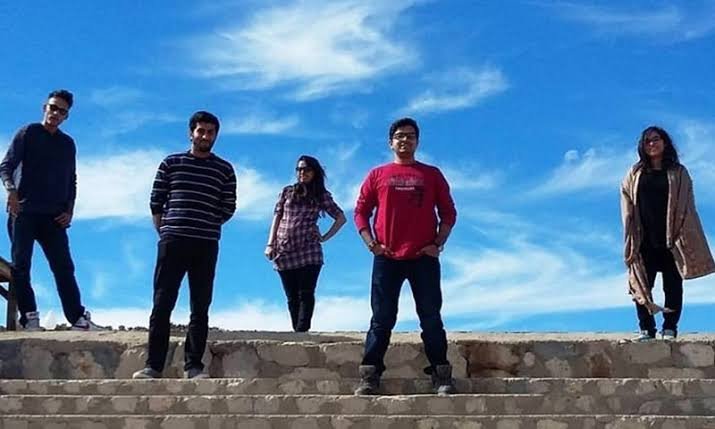
Ask most people about Pakistan’s outlook and you’ll hear a familiar list: inflation, load-shedding, political noise, brain drain. All of it is real. None of it should be dismissed. But it’s also not the whole picture — and the numbers coming out of the past year make a genuinely strong case for hope. Start with demographics. Pakistan’s population stands at roughly 257 million people, and it remains one of the youngest countries on earth. That’s not a talking point — it’s a structural advantage most aging economies would kill for. A young population means a growing workforce, a growing consumer base, and a growing pool of people willing to try new things.
That willingness is already showing up in the numbers. Pakistani freelancers earned a record $1.76 billion in foreign exchange during fiscal year 2025-26, a 78 percent jump from $984 million the year before. Pakistan’s total IT exports reached $3.39 billion in just nine months of the fiscal year, a 20 percent year-on-year increase, and overall IT and IT-enabled services exports climbed to an all-time high of $4.6 billion. Freelancers now account for a striking 25 percent of Pakistan’s overall IT exports, up from 20.3 percent just a year earlier. This growth isn’t confined to Karachi and Lahore, either — broadband penetration crossed 64 percent by early 2026, pulling smaller cities into the global digital economy.
The economy overall is finding steadier footing too. GDP growth is projected at 3.7 percent for 2026, up from 3.1 percent the year before, while inflation has cooled to around 3 percent — a dramatic turnaround from the double-digit spikes of recent memory
This data tells a story of momentum, not stagnation. Every successful nation has moved through a chapter that looked like chaos from the inside. What separates the ones that came out the other side is usually a critical mass of people who kept building anyway — and by that measure, Pakistan is already writing its next chapter, one freelance invoice and one startup at a time. The blueprint is already visible: young people teaching themselves in-demand skills, families investing in education, and small businesses finding customers they never could have reached a decade ago. None of it depends on waiting for perfect leadership. It depends on ordinary people choosing, again and again, to build rather than give up — and that choice, multiplied across millions, is exactly how nations turn a corner.