The precarious calm characterizing US Iran relations shifted into a phase of high stakes coercive diplomacy late Friday. President Donald Trump signalled that while a substantive diplomatic breakthrough may be imminent, the US military remains cocked and loaded to resume hostilities should negotiations falter before a critical midweek deadline.
This duality of guarded optimism and explicit threats defines a White House strategy aimed at forcing Tehran into a definitive bargain under the shadow of renewed kinetic action.
The Ultimatum
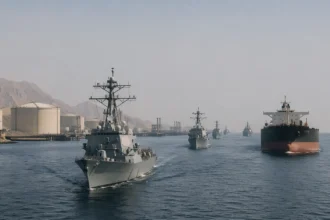
Addressing the upcoming April 22 expiration of the temporary ceasefire, President Trump was candid about the consequences of a diplomatic stall. “Maybe, I won’t extend it, but the blockade is going to remain,” Trump stated. “And unfortunately, we have to start dropping bombs again.” (https://x.com/i/status/2045361014909043126)
This direct threat serves as the backdrop to conflicting reports regarding the deal’s framework. While senior Iranian officials suggested an agreement was reached to unfreeze $20 billion in Iranian assets, Trump flatly contradicted this at an Arizona rally, asserting that “no money will exchange hands in any way, shape, or form.”
Nuclear Deadlock
The core of the recent talks revolves around the future of Iran’s nuclear infrastructure. Sources familiar with the US 15 point plan indicate a significant gap; Washington has proposed a 20 year suspension of all nuclear activity, while Tehran has offered a three to five-year halt.
Despite these differences, there are emerging signs of a compromise regarding Iran’s enriched uranium. Two Iranian sources indicated a willingness to remove part of the existing 2,000 kg stockpile. Trump, in a characteristically idiosyncratic phone interview, suggested a methodical approach to decommissioning facilities, stating the US would go in at a “leisurely pace” with “big machinery” to excavate and bring materials back to the United States.
Push for Islamabad Round 2.0
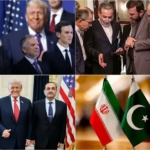
The focus now shifts back to the Pakistani capital. Following the conclusion of the first round of the Islamabad Talks, intense back channel diplomacy has laid the groundwork for a second round of negotiations expected to begin as early as Monday. Pakistani officials have already begun security preparations in Islamabad and Rawalpindi, signalling the high stakes nature of the return. President Trump fuelled speculation about a potential high level visit, telling reporters at the White House, “If the deal is signed in Islamabad, I might go. They want me to go.”
Defiance Amidst Gaps
While the president teases “good news,” the reality on the ground in Tehran remains tense. Iranian negotiators admit that significant “gaps remain to be resolved” before any preliminary agreement can be signed. This technical friction is mirrored by a defiant political atmosphere; during Friday prayers, senior cleric Ahmad Khatami struck a nationalist tone, declaring that the Iranian people “do not negotiate while being humiliated.”
A Region on Edge
As the Wednesday deadline approaches, the international community remains in a state of suspense. The president’s strategy of keeping his adversaries off balance; praising progress while fuelling the bombers, thus aiming to secure maximum concessions.
However, with both sides entrenched on the timeline of nuclear suspension and the release of assets, the transition from “good news” to active strikes remains a volatile possibility. For now, the diplomatic path remains open, but the president has made it clear; without a comprehensive agreement by midweek, the bombers are ready.