The relationship between Pakistan and Afghanistan has reached its lowest point. In the past, Pakistan maintained a policy of strategic restraint, while relying on border fencing and using diplomatic channels to manage the threat posed by TTP. However, the persistent surge in high-profile terror attacks has forced Pakistan for a policy shift from defensive posturing to punitive deterrence.
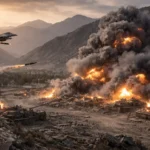
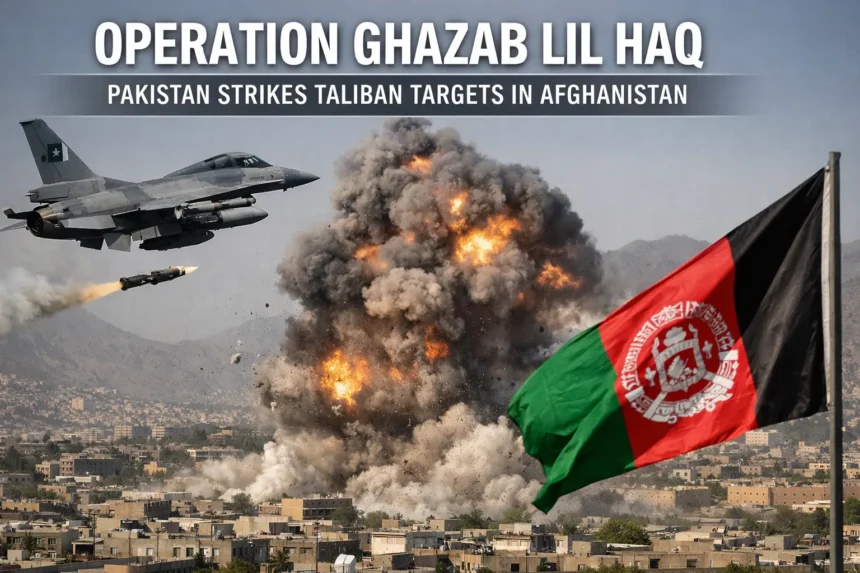
In a dramatic escalation, Pakistan launched Operation Ghazab Lil Haq with unprecedented air strikes on Afghanistan targeting Taliban in Kabul, Kandahar and Khost. This was a strategic effort to destroy the Taliban’s command and control infrastructure that facilitates cross-border terrorism.
After the US exit from Afghanistan in August 2021, the Taliban took control of Kabul which helped TTP to regroup and launch more sophisticated and lethal attacks in Pakistan. Resultantly, these cowardly attacks have exhausted the patience of Pakistan. The failed efforts of mediation and reconciliation previously have left a deep trust deficit, consequently, it sharpened Islamabad’s rhetoric significantly. The officials of Pakistan such as the DG ISPR Ahmed Sharif Chaudhary branded the Taliban regime as a master proxy, which indicates that the dispute is no longer just about security, but it is more about the very nature of the government in Kabul.
The most notable thing is the international silence on the strikes being carried out by Pakistan on Afghanistan. The lack of condemnation from regional and global powers indicates a global recognition of Pakistan’s right to self-defense against internationally recognized non-state actors, leaving the Afghan Taliban with no leverage.
The broader objective of Pakistan, while ramping up military and political pressure, appears more ambiguous. Pakistan might be seeking to alter the balance of power, destroying Taliban’s infrastructure, imposing military pressure and isolating the ruling regime diplomatically, while weakening the Taliban’s grip on power. If the global support continues, Pakistan may also extend its objective from counter-terrorism to a possible regime change.
Interestingly, the digital dimension of the crisis has also shaped public perception. Beyond military and diplomatic developments, online narratives and satire have played a significant role in framing the Pak-Afghan tensions across social media platforms. Read more