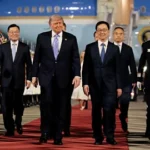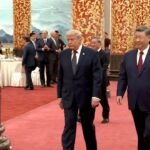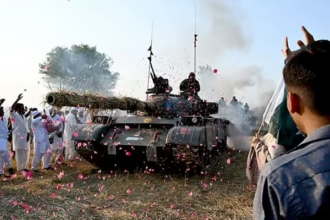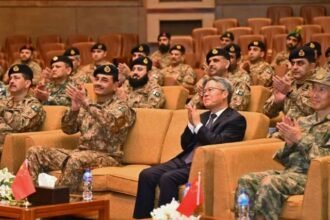
For a past decade or two, the global perception of Pakistan was tethered to political instability and mounting security challenges. A fundamental shift is underway, as Pakistan is now acting as a middle power, a status defined by diplomatic agility and the strategic ability to influence global outcomes.
Pakistan has potential of becoming a middle power. It is placed in a geostrategic location which is its most potent asset. It is serving as a bridge between South and Central Asia, the Middle East and the Arabian Sea. Furthermore, Pakistan’s formidable military and nuclear capabilities show its structural potential for regional leadership. Yet, the states could not cash these natural advantages because of policy and governance issues looming for decades.
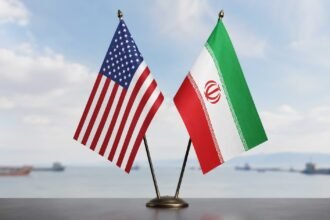
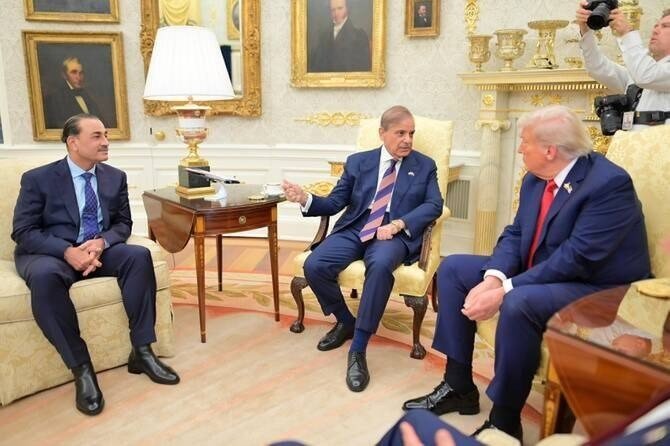
Pakistan’s rise in the global arena is because of its success against India in May 2025 conflict and it role of a mediator in high-stakes international standoff between US and Iran. A major turning point came when Pakistan facilitated talks between Washington and Tehran in Islamabad in April 2026. Pakistan’s soft power is demonstrated when it managed to maintain trust and open channels of communication in extreme polarization between arch-rivals. It has carved out a credible middle ground position by refusing to align with one side and instead maintaining ties with the US, Iran, China and Saudi Arabia.
Although Pakistan has achieved exceptional successes at the diplomatic front, yet it is struggling with economy. In order to solidify middle power status, the state must address its economic base. While its military and diplomatic pillars are strong, it has to work on its economic pillar. There is persistent investment stagnation because of political uncertainty as it has kept the investment to GDP ratio low. Moreover, in the recent years, there is a shift away from industrial growth and more reliance on external goods which has exploded national deficit. Also there is underinvestment in education and skills which has compromised productivity of human capital.
For country like Pakistan, struggling with existential crisis, it is a significant achievement to transition from diplomatic marginalization to renewed relevance. However, to sustain the title of a middle power, Pakistan needs to show consistency. There is also an urgent need to use this strategic diplomatic win into a robust domestic economic transformation. In order to improve international standing, it is important to balance external influence with internal stability.