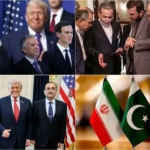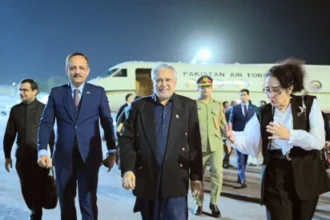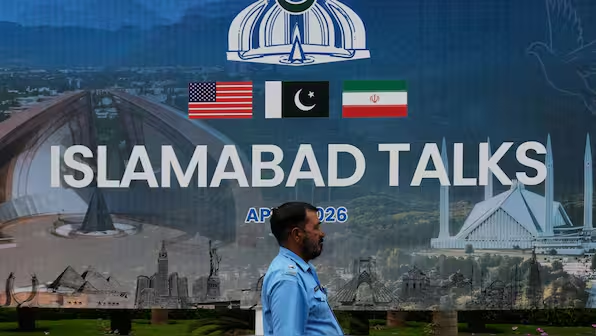
As advanced delegates from the United States and Iran are set to land in the federal capital on 20 April 2026 (Monday), the world’s attention returns to the Islamabad Talks 2.0. For Pakistan, this is more than just a second round of negotiations; it is a definitive test of the “Islamabad Process”; A high wired diplomatic act that has placed Pakistan at the centre of global crisis management. Following the inconclusive 21 hour marathon on April 11-12, the stakes for this sequel are significantly higher. While the first round established the unprecedented precedent of direct US Iran contact since 1979, the second round is expected to transition from “introduction” to “implementation.”
What to Expect
Round 2 introduces more experienced U.S. and Iranian delegation, adequately conversant with the negotiating tactics and the framework of previous Islamabad Talks. This indicates a green light for a more positive and actionable negotiations. Hence, Pakistan might endeavour to navigate the mediation based on explicit objectives. Key cardinals might revolve around:
- Extension of the Ceasefire: The current 14 day truce, brokered by Prime Minister Shehbaz Sharif and Field Marshal Asim Munir, is nearing its expiration. Pakistan’s primary goal is to secure a reasonable extension to provide “diplomatic breathing room”.
- The “Hormuz Mechanism”: Owing to the 20% of global oil supply through this critical chokepoint, “Blockade Tactics” are imposing supply chain disruptions with pronounced ripple effects. Pakistan might aim to push for a technical agreement to ease tensions on this strategic waterway.
- Nuclear Deadlock: One of the main disruptors of previous talks was the nuclear factor, which was also underscored by U.S. Vice President JD Vance prior to his departure. Concerted efforts to find a “Bilateral Middle Ground” both durable and lasting in nature, will be a sore challenge.
- “Trump Factor” Vis-à-vis Tehran’s Frozen Assets: With President Trump’s recent naval blockade and his “Social Media Diplomacy” consistently mounting pressure on Iran through threatening demands, and Tehran’s ask for the release of $6 billion in frozen assets. Pakistan is facing the daunting task of cautiously treading a neutral path.
The Bottom Line
For the Pakistani leadership, the success of these talks transcends mere diplomatic prestige, representing a high stakes assertion of the country’s role as the primary guarantor of regional security. By leveraging its unique strategic depth and military diplomatic synergy, Islamabad 2.0 has become critical for regional equilibrium. If these talks remain successful in bridging the profound gap between the U.S. nuclear mandates and Iran’s sovereignty concerns, Pakistan will have done more than avert a war; it will have cemented its status as the indispensable security bridge of the 21st century.