The confrontation between Iran and US/Israel has redefined the evolving landscape of modern conflicts. This conflict has torn apart the traditional military doctrines and has promoted asymmetric endurance over the historical reliance on the overwhelming force.
In modern warfare, seeking a decisive victory is an old norm; actors are pursuing a strategic of strategic exhaustion. A weaker adversary like Iran can make war continuation prohibitively expensive for a superpower. Iran has demonstrated that by using cheap technology, it has managed to inflict defense of billions of dollars used by the coalition. For instance, Iran used its inexpensive Shahed drones while forcing the coalition to expend interceptors like THAAD and Patriot missiles. This also shows that a cheap quantitative advantage using low-cost tech can neutralize an expensive and qualitative technology.
This conflict has also introduced multi-theatre and grey-zone warfare. Iran managed to extend the war through using its proxies like Hamas in Gaza, Hezbollah in Lebanon and Houthis in Yemen. The conflict does not remained confined to the military confrontation only; it led to the disruption of global energy supplies while transforming a regional standoff into a global economic and political crisis. Tehran adopted a strategic to involve nations not directly party to the conflict, where international pressure mounted for de-escalation.
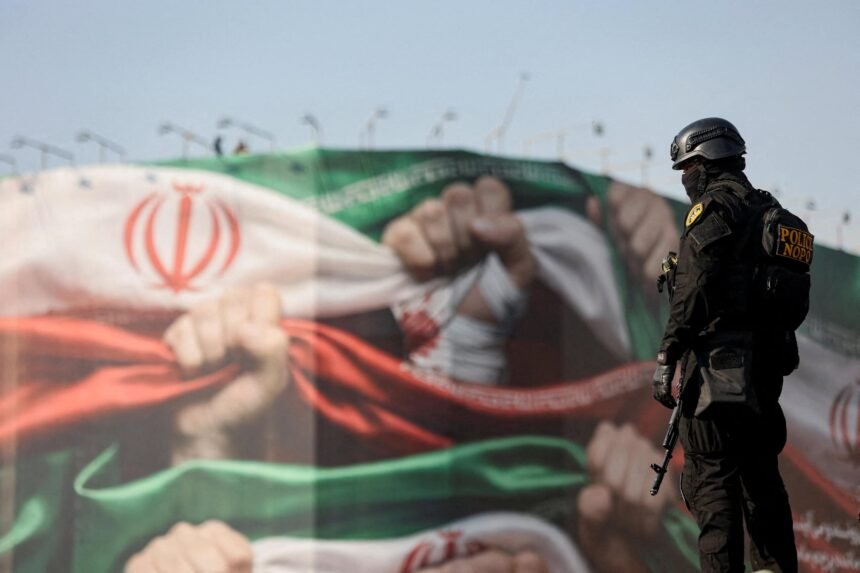
Moreover, this war has shown that perception management is as vital as conventional operations. Iran succeeded in challenging the Western media monopolies by using AI-generated simulations and cinematic propaganda which were aimed to demoralize civilian populations while portraying it as a resilient defender of its nation and ideology.
Furthermore, Iran changed the perception that air superiority alone can help win battles rather missiles used by Tehran exposed this myth. The missile cities of Iran operated by decentralized command ensured that the chain of command could not be collapsed even through high-end strikes.
Therefore, the future conflicts will be fought through remote, autonomous, and cyber-centric operations. In this era of advance technology, conventional assets like aircraft carriers have become operational burdens as they are vulnerable low-cost drones and missile strikes.