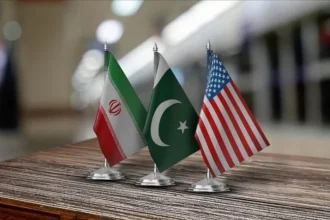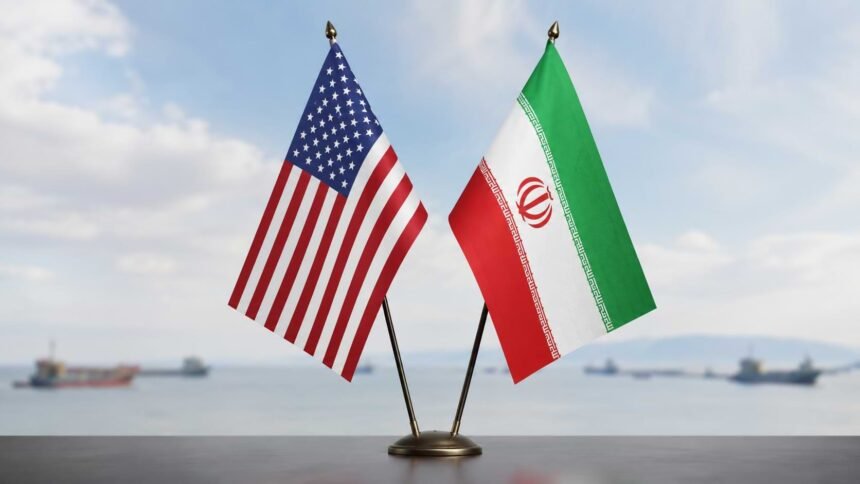
The existing ceasefire between the United States and Iran, coupled with the memorandum of understanding, which has been keeping it intact, currently faces an uncertain future. It appears that without the implementation of adequate de-escalation mechanisms by the two parties and their restraint, the possibility of falling back into a state of open confrontation is quite real.
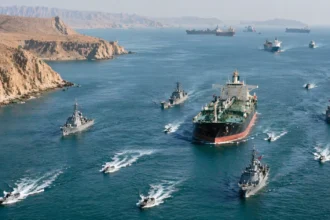
The immediate catalyst for this most recent slide into disarray has been a series of Iranian attacks on ships passing through the Strait of Hormuz, aimed at vessels which did not use routes prescribed by Tehran. In response, the US attacked Iranian facilities, and Iran launched attacks on locations in Kuwait and Bahrain which were said to be American bases. That alone should have been enough to raise concerns, but it was made even worse when President Trump declared that the agreement was essentially dead, and that talks with Iran had been a complete waste of time. Coming from someone who walked away from a similar deal in his previous administration, this kind of talk cannot be brushed off as political rhetoric alone.
What makes this situation even more fragile is the fact that new hostilities would not really be in anyone’s real interest except for Israel, as it has vested interests in continued confrontation. Both sides of the Gulf Crisis actually have their own good reasons to pull back from the edge. For Iran, there would be no hope of any normalization of its economy without free transit through Hormuz, and for the US, it is not going to get anything out of statements that would simply strengthen those groups in Iran that doubt the US’s reliability.
Under these circumstances, the mediator’s importance is heightened. Maintaining a ceasefire that is as fragile cannot prove an easy task, but the coming days will show whether diplomatic efforts can succeed. The option of reverting to a full-scale war would have repercussions that transcend the parties involved and affect both global energy markets and regional stability as well. This makes a heavy responsibility fall on the shoulders of the signatories and neighboring countries, especially Pakistan, ensuring that the peace process does not fail at the very outset because of provocations.