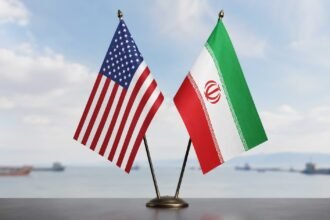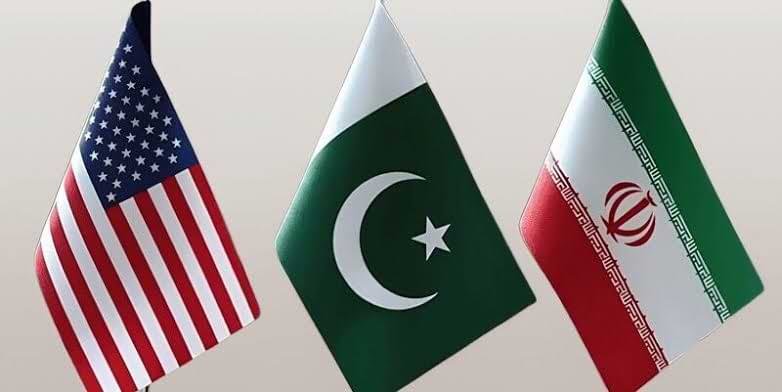
For over five decades, Pakistan has consistently stepped into the global arena as a quiet powerhouse of international diplomacy. Most recently, this was demonstrated when Islamabad successfully brokered the historic June 2026 Islamabad Memorandum of Understanding between the United States and Iran—a milestone framework that successfully halted an active regional war, lifted the naval blockade, and secured the vital Strait of Hormuz. As the diplomatic process advances, the capital has emerged as the primary venue to host the next phase of critical high-level technical negotiations scheduled to begin around July 11, 2026, between Washington and Tehran, cementing its position as a central node for modern global stability.
When international observers examine global mediation, they often look toward traditional Western capitals or neutral European hubs. But some of the most consequential diplomatic breakthroughs of the modern era have been orchestrated through the discreet, highly trusted channels of Islamabad—a specialized role as a global bridge-builder that is part of a deep historical legacy.
This commitment to mediation permanently altered the course of Cold War geopolitics as early as July 1971. At a time of intense global polarization, Pakistan acted as the vital, secret conduit between Washington and Beijing. Orchestrated with absolute precision, a Pakistani government plane secretly flew US National Security Advisor Henry Kissinger from Islamabad to Beijing. This historic backchannel communication shattered decades of diplomatic isolation, directly paving the way for President Richard Nixon’s landmark 1972 visit to China and fundamentally restructuring the global balance of power.
This active pursuit of regional stability consistently reappeared during moments of global crisis. In the late 1980s, Pakistan serves as an indispensable interlocutor in the complex United Nations-mediated negotiations that culminated in the 1988 Geneva Accords, successfully securing the withdrawal of Soviet troops from Afghanistan and defusing a major Cold War flashpoint.
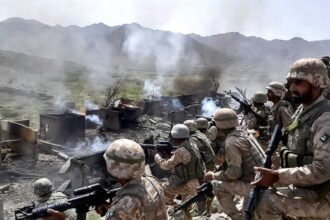
Decades later, that same hard-earned diplomatic equity was called upon to resolve the longest war in American history. Islamabad played a central facilitating role in bringing the United States and the Taliban to the negotiating table, providing the critical diplomatic leverage needed to sustain years of volatile dialogue that eventually led to the 2020 Doha Agreement. Beyond these high-stakes political negotiations, Pakistan’s global footprints for peace are visible in its enduring legacy as one of the world’s top institutional contributors to United Nations Peacekeeping missions, deploying tens of thousands of personnel to protect vulnerable civilians in conflict zones across Africa, Asia, and the Balkans.
Global history frequently highlights the triumphs of major world powers while overlooking the crucial intermediaries who make peace possible. But behind some of the largest geopolitical breakthroughs stands a nation that has consistently leveraged its relationships to foster dialogue over confrontation.
And for Pakistan, diplomacy has never been about choosing sides in a fractured world. It has been about building the bridges that prevent global conflict.