The Indus ReportThe Indus ReportThe Indus Report
Notification Show More
Font ResizerAa
  • Home
  • News
    • Pakistan
    • India
    • Middle East
    • America
    • Europe
  • Opinion
    • Analyses
    • Reviews
  • Economy and Business
    • Market Reports
    • Jobs
    • Inflation
    • Human Development Indicators
  • Tech
    • AI
    • ⁠Innovation
    • ⁠Industry
  • Lifestyle
    • Culture
    • Entertainment
    • ⁠Celebrity
  • Privacy Policy
  • About Us
  • Contact us
Font ResizerAa
The Indus ReportThe Indus Report
  • My Saves
  • My Interests
  • My Feed
  • History
Search
  • Home
  • News
    • Pakistan
    • India
    • Middle East
    • America
    • Europe
  • Opinion
    • Analyses
    • Reviews
  • Economy and Business
    • Market Reports
    • Jobs
    • Inflation
    • Human Development Indicators
  • Tech
    • AI
    • ⁠Innovation
    • ⁠Industry
  • Lifestyle
    • Culture
    • Entertainment
    • ⁠Celebrity
  • Privacy Policy
  • About Us
  • Contact us
Have an existing account? Sign In
Follow US
© 2026 THE INDUS REPORT Network. All Rights Reserved.

Home - Blog - Latest - Economy and Business - Pak-China Partnership and Strategic Realignment

Economy and BusinessPakistan

Pak-China Partnership and Strategic Realignment

Bilal Akram
Last updated: May 6, 2026 1:04 pm
Bilal Akram
Share
Pak-China Partnership and Strategic Realignment
SHARE

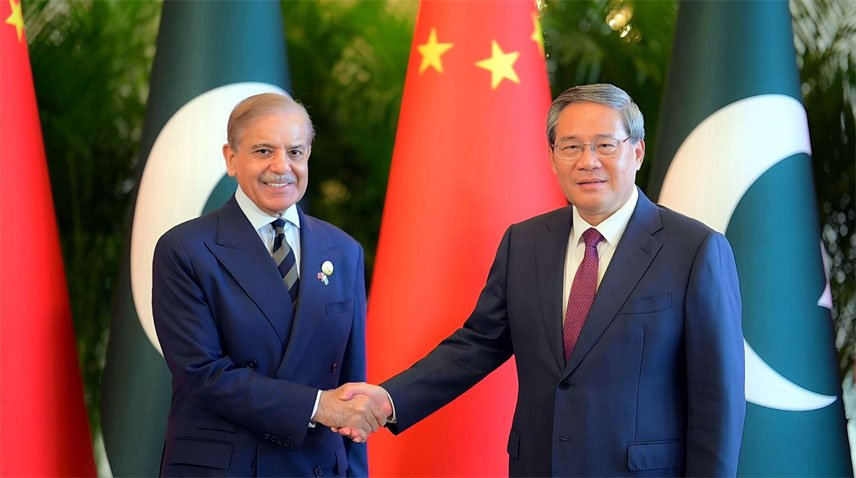
While recalibrating the all-weather friendship, Pakistan’s partnership with China is entering into a transformative phase. As President Asif Ali Zardari has concluded its high-stake visit to China and Prime Minister Shehbaz Sharif prepares for high-level talks in Beijing, the China-Pakistan Economic Corridor (CPEC) is expected to enter into its next phase of high-quality cooperation model while shifting from pure infrastructural expansion. This recalibration is because of the regional security challenges and the evolving economic priorities between historic partners.

CPEC remained the cornerstone of bilateral engagements between China and Pakistan its initiative in 2013 with the visit of Chinese President Xi Jinping to Islamabad, with exceptional focus on energy and transport infrastructure. However, the present diplomatic engagements indicate a move towards CPEC 2.0. This will primarily prioritize industrial cooperation, agricultural modernization and information technology. This will help Pakistan to integrate itself with Chinese global supply chains.

A significant driver of the recalibration is the major concern of security especially of Chinese nationals being targeted in Pakistan. The terror attacks on Chinese nationals in Pakistan by hostile actors and spoilers, who do not want CPEC as a success mode, have made the relationship between brotherly nations more complex. Pakistan has also signaled commitment to provide a foolproof protection and security to Chinese projects, as a stable security environment for economic progress.

Pakistan’s dire economy necessitates an economic dialogue on financial sustainability. Therefore, it needs to recalibrate its debt restructuring and seeking more sustainable investment models. There is a push for business to business collaborations, rather than just official or sovereign engagements. This model, if implemented, will help Pakistan to overcome its fiscal burden while ensuring that Chinese investors find good potential in local market.

The bilateral partnership between China and Pakistan can not only help foster both brotherly nations, but it can also act as a stabilizer in South Asia which is being polarized by hostile actors. With the shifting sand of global politics, both nations are also adapting to it. The transactional arrangement toward green energy and digital connectivity is important to foster traditional friendship.

Therefore, the recalibration of Pakistan-China ties is a pragmatic move to changing regional and global realities. By addressing the security concerns of Chinese nationals and projects, Pakistan can shift toward industrial growth and financial sustainability. Moreover, the efforts and cooperation indicates that both nations want to ensure that their iron brotherhood remains resilient to the rapidly evolving regional dynamics.
Share This Article
Email Copy Link Print
Previous Article Commemorating Youm-e-Takbir and Legacy of Pakistan’s Nuclear Deterrence Commemorating Youm-e-Takbir and Legacy of Pakistan’s Nuclear Deterrence
Next Article Marka-i-Haq: A Year Later Marka-i-Haq: A Year Later
Leave a Comment

Leave a Reply Cancel reply

Your email address will not be published. Required fields are marked *

Your Trusted Source for Accurate and Timely Updates!

Our commitment to accuracy, impartiality, and delivering breaking news as it happens has earned us the trust of a vast audience. Stay ahead with real-time updates on the latest events, trends.
FacebookLike
XFollow
InstagramFollow

You Might Also Like

Pakistan as an Emerging Middle Power
Pakistan

Pakistan as an Emerging Middle Power

By
Bilal Akram
Urumqi Talks and Pak-Afghan Relationship
PakistanAnalyses

Urumqi Talks and Pak-Afghan Relationship

By
Bilal Akram
All Eyes on India’s Deepening Human Rights Crisis
IndiaHuman Development Indicators

All Eyes on India’s Deepening Human Rights Crisis

By
Bilal Akram
The Urumqi Ultimatum: Islamabad Draws a Red Line for Regional Stability
PakistanOpinion

The Urumqi Ultimatum: Islamabad Draws a Red Line for Regional Stability

By
TheIndusReport
The Indus Report
Facebook Twitter Instagram

The Indus Report delivers global news, entertainment, viral trends, and fashion updates with accuracy, clarity, and a modern digital perspective.

Top Categories
  • Economy and Business
  • Lifestyle
  • News
  • Opinion
  • Tech
Support & Terms
  • About Us
  • Contact us
  • Privacy Policy
  • Terms and Conditions
  • Editorial Policy
  • Write For Us

©2026 THE INDUS REPORT Network. All Rights Reserved.

2026 The Indus Report Network. All Rights Reserved.
Welcome Back!

Sign in to your account

Username or Email Address
Password

Lost your password?