A record-strong El Niño is forming in the Pacific — and it’s arriving at a difficult moment for India-Pakistan relations.
NOAA upgraded its outlook to a full El Niño Advisory on June 11, with the Niño 3.4 index climbing sharply to +1.7°C by mid-June. The Climate Prediction Center puts the odds of a “very strong” event at 63% for late 2026, a threshold that would rank it among the largest since 1950. ECMWF modelling goes further, projecting the strongest El Niño ever recorded, while the WMO assigns it an 80% probability.
What a Super El Niño Means for South Asia
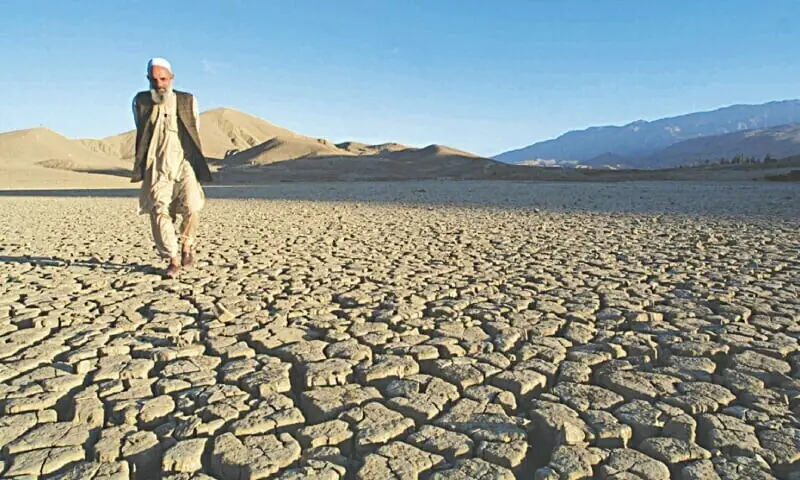
A “Super El Niño” refers to an event where central Pacific warming crosses roughly 2°C above average — strong enough to disrupt global weather patterns well beyond the Pacific itself. For South Asia, the historical pattern is a weaker, delayed, or more erratic monsoon: 1997-98 and 2015-16, both strong El Niño years, saw below-average rainfall overall and localized drought across India and Pakistan’s agricultural heartlands. But “weaker on average” doesn’t mean uniformly dry. Strong El Niño years also tend to disrupt the monsoon’s normal rhythm, producing longer dry spells punctuated by short, intense bursts of rain. That variability raises the risk of flash flooding in specific regions even during an overall below-average season — dry riverbeds and cracked soil struggle to absorb sudden heavy rainfall, which can turn a drought year into a localized flood emergency within days.
A Treaty Already Under Strain
This climate variability lands on top of an already-suspended Indus Waters Treaty, which has given India wider discretion over water releases from the western rivers Pakistan depends on for most of its irrigation and hydropower. For the full background on the treaty dispute, see The Geopolitics of the Indus: Why the Treaty Matters Now.
Pakistan’s Response
Despite the pressure, Pakistan has largely pursued the dispute through legal and diplomatic channels rather than escalation — taking its case to the Court of Arbitration and securing two rulings in its favour on treaty interpretation. Islamabad has also continued pushing to modernize its water infrastructure, including expanding reservoir capacity and flood early-warning systems, as it adapts to a basin that depends on it for nearly all of its irrigated agriculture. That combination of legal persistence and domestic preparedness will matter more, not less, if this year’s monsoon turns out as erratic as forecasters expect.
The Compounding Risk
A historically strong El Niño and a suspended water treaty are each significant on their own. Together, they raise the stakes: erratic rainfall patterns increase the chance of both drought stress and sudden flooding, while a treaty in legal limbo means less coordinated planning between the two countries on reservoir releases during exactly the kind of unpredictable season this El Niño is expected to bring.