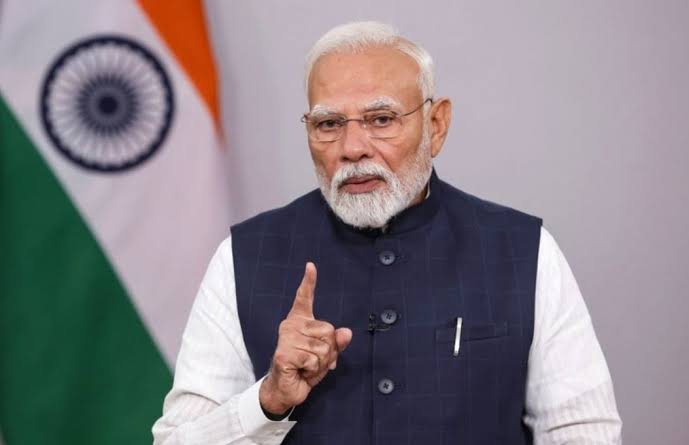
India’s politics and economy are moving in opposite directions, and the gap between them is starting to look less like a temporary imbalance and more like a warning sign. The BJP now governs 21 of India’s 28 states, a level of dominance that would normally reflect broad public confidence in the government’s stewardship of the economy. It doesn’t. It reflects the opposite: a political machine so effective at winning elections that it no longer needs to answer for economic outcomes.
The numbers underneath the headline growth figures are not reassuring. India’s celebrated GDP growth was recorded before the full weight of steep US tariffs hit, tariffs tied directly to New Delhi’s continued purchases of Russian oil, a policy choice the government has been unwilling to abandon even as the costs mount. Washington is now weighing further sanctions on countries trading with Russia, meaning the pain has not peaked yet. Layer onto that chronic water and electricity shortages in states the BJP itself governs, plus the threat of an El Niño-driven hit to agriculture and rural incomes, and the picture is one of a government that has mastered campaigns while structural problems pile up unaddressed.
The uncomfortable explanation is that this is not an accident. A weak, dynasty-driven opposition without the internal cohesion to mount a credible economic critique has let the BJP avoid the kind of accountability that would normally force course correction. Parties built around individual personalities rather than institutions cannot sustain the kind of sharp, consistent policy pressure that forces a ruling party to change course. Dominance this total removes the pressure to reform. Why fix water shortages, tariff exposure, or agricultural vulnerability when electoral outcomes are barely touched by any of it?
The 2026 state elections will test this, but there’s little reason to expect voters to punish a party that has consistently been rewarded for political performance over economic delivery. Modi’s government has become extraordinarily skilled at converting cultural and nationalist momentum into electoral capital, insulating itself from bread-and-butter grievances that would sink a weaker incumbent elsewhere. That is the real paradox: not that dominance and dysfunction coexist, but that dominance may be the very thing letting the dysfunction go unfixed, indefinitely, until a shock arrives large enough to break through the insulation altogether.