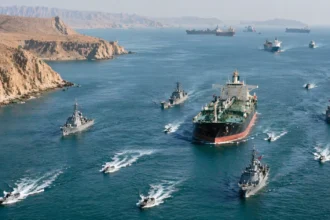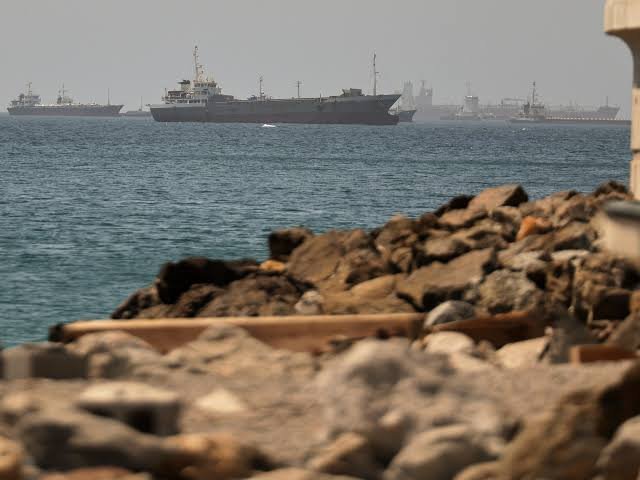
Global oil prices fell sharply to their lowest level in nearly three weeks on Tuesday after senior United States officials signalled progress toward a potential agreement that could reopen the strategically vital Strait of Hormuz, easing fears of prolonged disruptions to global energy supplies.
Brent crude, the international benchmark for oil prices, dropped almost five percent to below $80 per barrel, while US West Texas Intermediate (WTI) crude also fell more than five percent to around $76 per barrel. Both benchmarks reached their lowest levels since mid-July, reflecting renewed optimism that one of the world’s most critical shipping lanes could soon return to normal operations.
US Secretary of State Marco Rubio told reporters that negotiations involving regional mediators had made significant progress toward allowing commercial shipping to safely transit the Strait of Hormuz once again. Treasury Secretary Scott Bessent echoed that optimism, suggesting an agreement could be finalized within days, restoring freedom of navigation through the waterway.
Although Washington has expressed confidence, Iran has denied holding direct negotiations with the United States, maintaining that discussions are taking place through Oman, which continues to act as a key mediator. Qatar has also reaffirmed its diplomatic efforts to help reduce tensions, though it acknowledged that no direct US-Iran talks are currently scheduled.
The Strait of Hormuz remains one of the world’s most strategically important maritime corridors, carrying roughly one-fifth of global oil and liquefied natural gas exports before the conflict erupted earlier this year. Since hostilities intensified, Iran has largely halted traffic through the strait, while the United States has maintained a naval blockade around Iranian ports. At the same time, attacks by Yemen’s Iran-backed Houthis have disrupted shipping routes in the Red Sea, creating additional risks for global energy markets.
The security situation remains fragile. On Tuesday, an Indian-flagged commercial vessel was struck and sank near Yemeni waters, highlighting the continuing dangers facing maritime traffic despite diplomatic efforts.
Energy markets have experienced extreme volatility throughout the conflict, with oil prices repeatedly surging above $120 per barrel during periods of heightened tensions before falling on reports of diplomatic progress. Analysts caution that investors remain wary after several previous rounds of negotiations failed to produce lasting agreements.
Higher crude prices have translated into increased fuel costs worldwide, with motorists in both Europe and North America paying significantly more at the pump. Meanwhile, major international energy companies, including BP, Shell, Chevron, and Exxon Mobil, have continued to benefit from elevated prices, reporting strong profits amid one of the most turbulent periods for global oil markets in recent years.