Afghanistan has become a symbol of conflict, instability and human suffering. Although promises of peace and reconstruction have been made many times, yet millions of Afghans continue to face immense challenges while transforming the country into the world’s most enduring humanitarian crisis.
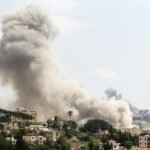
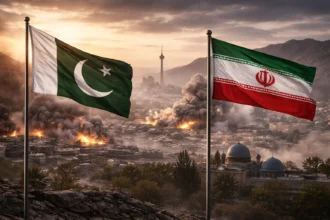
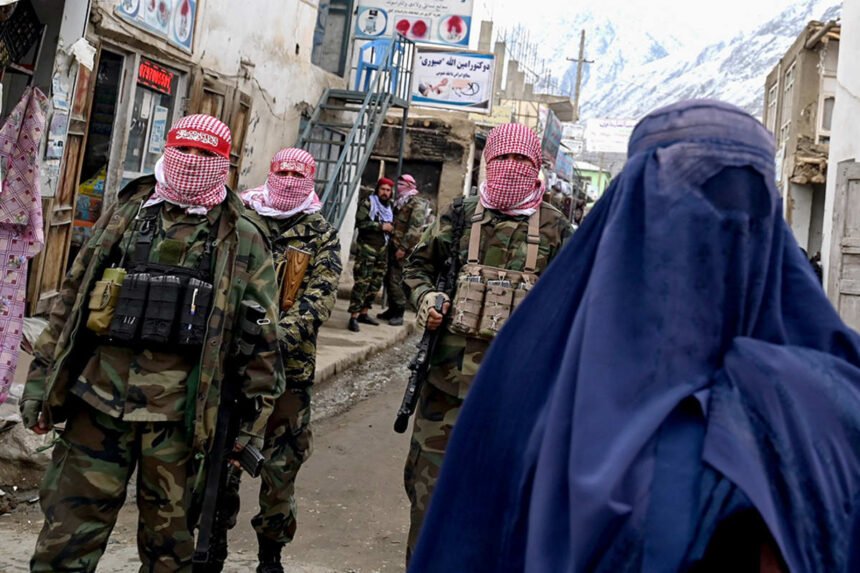
The ruling Taliban regime in Afghanistan has further deepened the misery of ordinary people by daggers drawn against Pakistan. Cross-border clashes, airstrikes and military confrontations resulted into the displacement of thousands of civilians and disrupted already fragile social life. Innocent Afghan people are bearing the brunt of Taliban’s sponsorship of terrorism and harboring of militant groups. Reports also indicate that border regions have witnessed growing displacements, loss of life and significant destruction in Afghanistan.
In addition to security concerns, Afghanistan is facing severe economic hardship. Reducing foreign aid, severe international sanctions, growing unemployment and corrupt financial system have left many families to even fight for basic needs. Food insecurity has left millions to starve, while there is limited access to healthcare and education in most of the country. Most importantly, women and children are among the most vulnerable to the harshest consequences of poverty and social restrictions.
Moreover, the return of large numbers of Afghan refugees living illegally in Pakistan has worsened the humanitarian situation in Afghanistan. Most of the refugees with limited resources are struggling to rebuild their lives in a society already suffering from economic distress. International organizations continue to warn that situation in Afghanistan requires assistance to prevent further deterioration.
Continuous wars are fought in Afghanistan for decades and the major powers failed to achieve lasting peace. These wars have weakened institutions, damaged infrastructure and created deep social wounds. The real victims of lasting conflicts are ordinary citizens who seek education, employment, security and hope for a better future.
There is a need to understand that only force cannot help achieve sustainable peace in Afghanistan and this need to be recognized by the international community, regional players and Afghan regime. What can help attain security and stability in Afghanistan is dialogue, economic development, humanitarian assistance and regional cooperation. The future of ordinary people living in Afghanistan depends on efforts to prioritize human welfare over confrontation.