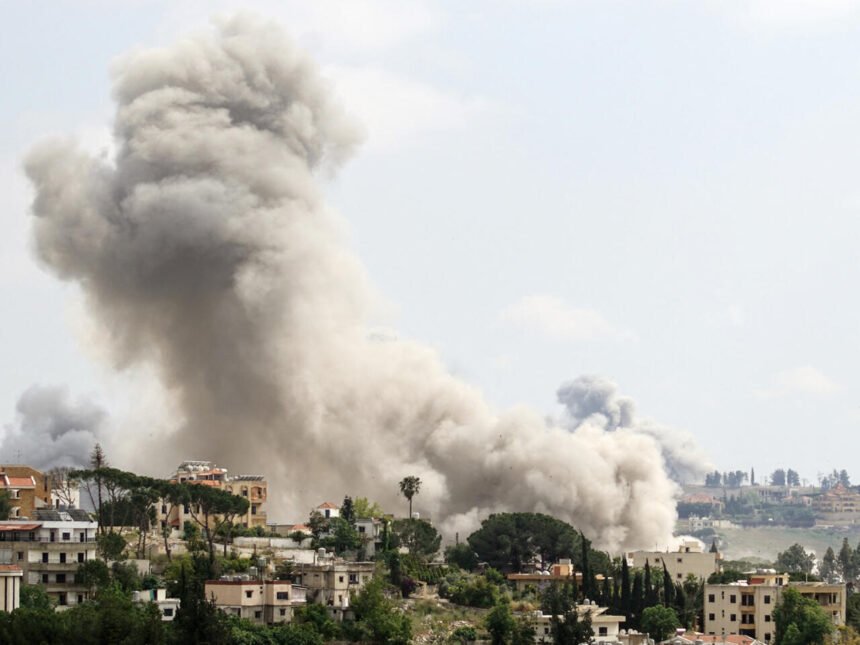
Israel’s rapid military escalation in Lebanon is threatening the precarious ceasefire between the United States and Iran while dragging the region back to full-scale war. There is an obvious disconnect between public optimism and volatile backroom tensions which also reveal that local conflicts can easily transcend into an overarching geopolitical arrangements.
At the center stage is the Prime Minister Benjamin Netanyahu’s escalated attacks on Beirut. In reaction to Israel’s move, Tehran declared the ceasefire violated on all fronts and suspend indirect talks with the US. Meanwhile President Donald Trump lost his temper with Netanyahu’s decision to attack Lebanon and dismissed the suspension of the indirect talks with Iran.
Furthermore, President Trump urged Netanyahu during an expletive-laden phone call and furiously demanded a halt to the IDF advance on the Lebanese capital. Trump further took an unprecedented step of reaching Hezbollah through regional intermediaries while recognizing that an assault on Lebanon will definitely collapse the delicate US-Iran peace process. Trump swiftly managed to rescue diplomatic track as Hezbollah agreed to cease attacks on northern Israel provided that Israel spared Beirut.
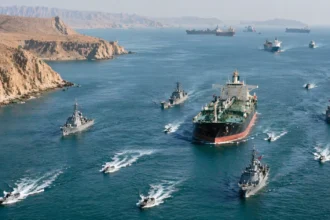
However, the recent escalation exposed the structural vulnerability of the current geopolitical landscape. Moreover with the fragile ceasefire, the US and Iran have continued to trade blows, including US strikes on Iran’s air defenses and Iran response with drone attacks on the US bases. Iran is also deterring to choke global energy and shipping lanes if peace process collapses than it might trigger the opening of dangerous maritime fronts in the Red Sea and the Bab el-Mandeb Strait by its proxies.
Therefore, it is clear as the day that a diplomatic breakthrough cannot exist in a vacuum. As long as the flashpoints in Lebanon remain unaddressed, the regional proxies and Israel will continue to exploit the peace process. This time Trump’s aggressive intervention managed to pull the region back from the brink of collapse, but the regional situation shows that the Middle East remains one miscalculation away from widespread escalation.