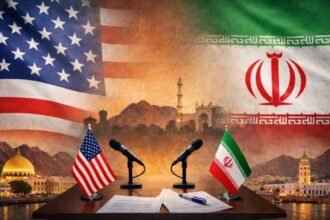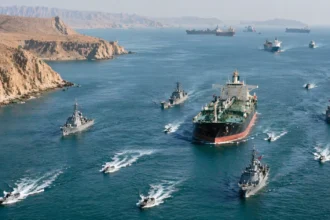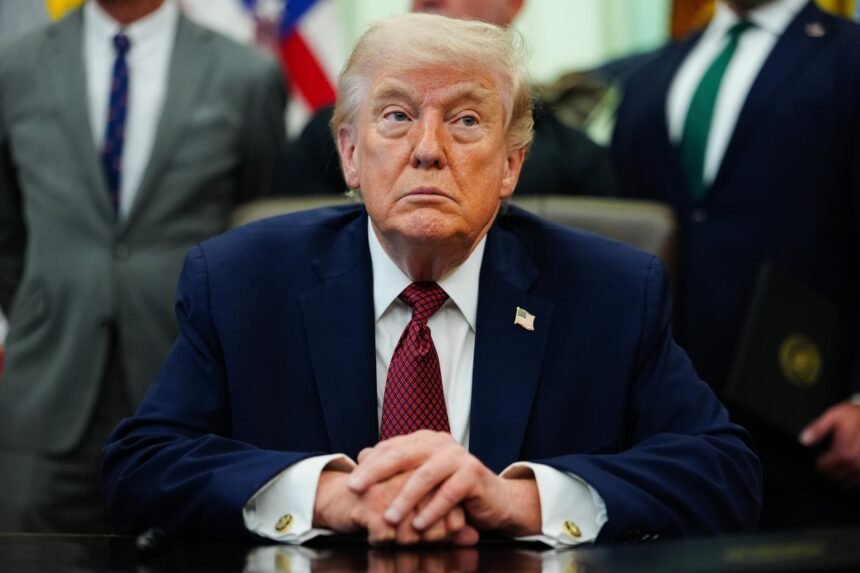
President Donald J. Trump has officially announced an extension of the U.S. Iran ceasefire. In an official statement, Trump revealed that the decision follows a direct request from Pakistan’s leadership, specifically Field Marshal Asim Munir and Prime Minister Shehbaz Sharif. The President noted that while the Government of Iran appears “seriously fractured,” the U.S. will pause its offensive operations to allow Tehran’s representatives to present a unified proposal. However, this is far from a total stand down. Trump made it clear that he has directed the U.S. military to maintain its strict naval blockade, ensuring the U.S. remains “ready and able” to resume action the moment discussions conclude.
A Fragile Peace Under Pressure
Trump’s wartime rhetoric has veered between extremes. In an expletive filled threat against Iran only two weeks ago, he said that a “whole civilisation will die tonight,” while at other times he has appeared keen to end the violence and market uncertainty. With his latest announcement, Trump again pulled back at the last moment from his threats to bomb Iran’s power plants and bridges; threats that United Nations Secretary General António Guterres have condemned, noting that international humanitarian law strictly forbids attacks targeting civilians and vital infrastructure.
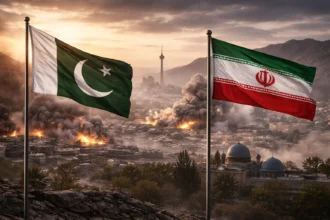
The role of Pakistan as a mediator remains pivotal. By securing this window, Islamabad is attempting to prevent a total collapse of regional stability, yet it remains whether the belligerents will actually respect this extended timeline. Without a formal commitment from all parties, the ceasefire exists more as a tactical pause than a permanent resolution.
Iranian Officials Sound Unmoved
The response from the Islamic Republic has been one of deep defiance. “Trump’s ceasefire extension means nothing,” said Mahdi Mohammadi, an adviser to Iranian Parliament Speaker Ghalibaf, who has led the Iranian negotiating delegation. In a post on X, Foreign Minister Abbas Araghchi asserted that “the losing side cannot dictate terms,” adding that the continuation of the American siege is “no different from bombardment and must be met with a military response.” Araghchi further clarified that “blockading Iranian ports is an act of war and thus a violation of the ceasefire,” noting that Tehran knows “how to resist bullying.”
This sentiment was echoed at the highest diplomatic levels. “The United States must halt its ‘violation of the ceasefire’ before any new round of negotiations,” Iran’s Ambassador to the UN, Amir Saeid Iravani, told media outlet Shargh. He emphasized that as soon as the blockade is lifted, the next round of negotiations will be held in Islamabad. “We have not been the initiator of military aggression. If they seek a political solution, we are ready. If they seek war, Iran is ready for that as well,” he said, adding that “Iran is prepared for any scenario.”
Financial Collapse or Strategic Squeeze?
In a separate Truth Social posts, Trump has claimed that Iran is “collapsing financially” and wants the Strait of Hormuz open immediately because they are “starving for cash” He further alleged that the Iranian military and police are “complaining that they are not being paid,” suggesting that the internal pressure of the blockade is reaching a breaking point.
As regional and global players monitor the situation, the next phase of this standoff will likely depend on whether diplomatic channels can bridge the gap between Washington’s “maximum pressure” tactics and Tehran’s demands for an end to the blockade. For now, the extension of the ceasefire offers a fragile reprieve, leaving the international community to wait and see if this pause leads to a structured diplomatic breakthrough or a return to active hostilities.