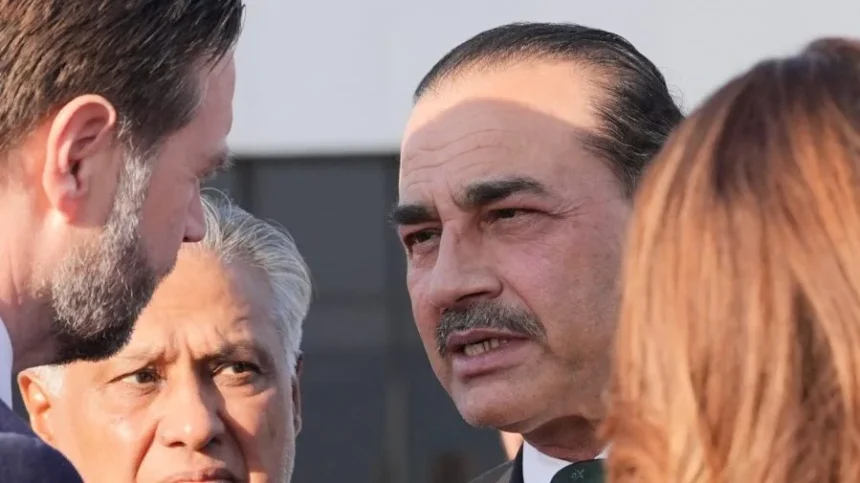
In a dramatic shift of geopolitical fortunes, Pakistan has transitioned from the periphery of global diplomacy to the centre of the world’s most consequential peace negotiations. As President Trump’s second term unfolds, Islamabad has emerged as the indispensable linchpin in high stakes talks between Washington and Tehran. A development that seemed improbable just years ago. The shift was underscored this week when President Trump announced an extension of the ceasefire with Iran, a decision facilitated largely by the sophisticated balancing act managed by Islamabad. This strategic pause is intended to allow Tehran time to present a unified proposal, keeping a fragile peace alive through Pakistani mediation.
At the heart of this diplomatic turnaround is Field Marshal Syed Asim Munir, Pakistan’s Army Chief and Chief of Defence Forces. Field Marshal Munir has emerged as a steady, stabilizing hand on the global stage, proving to be a leader of significant diplomatic weight. His approach involves a delicate mastery of modern statecraft: cultivating a personal rapport with President Trump while simultaneously maintaining open channels with Iran’s political leadership and the Islamic Revolutionary Guard Corps (IRGC). Senator Mushahid Hussain notes that Munir’s personality resonates with the current U.S. administration because he is “Islamic without being ideological,” a trait that allows him to navigate the religious sensitivities of Tehran with the pragmatism of a seasoned strategist.
The President’s interest was notably piqued by Pakistan’s military resilience and its status as a nuclear power, expressing a newfound respect for the country’s ability to hold its own in a volatile region. During a recent discussion regarding the region’s power dynamics, Trump reportedly asked with a sense of admiration, “Who are these Pakistanis? It’s a small country, and they’ve clobbered the Indians, this puny little country, which has got the atom bomb also, beat the hell out of the Indians in this encounter. So, who are these folks?” This candid recognition of Pakistan’s strength has paved the way for a deeper, more respectful bilateral engagement that was missing in previous years.
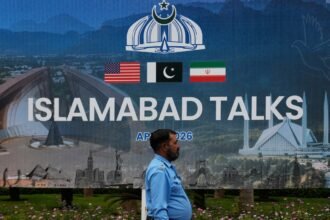
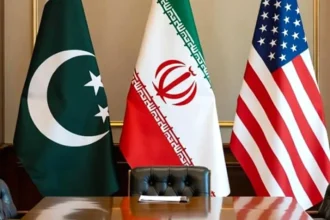
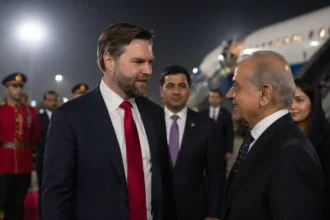
The current warmth stands in stark contrast to the Biden era, during which U.S. Pakistan relations were in the doldrums. For four years, a notable silence persisted between the White House and Islamabad, with the previous administration maintaining limited engagement and no direct presidential communication. Today, that isolation has vanished. Islamabad recently hosted a historic first round of talks, bringing together Iranian officials and high ranking U.S. representatives, including Vice President J.D. Vance. While these “Islamabad Talks” have faced hurdles, including a temporary naval blockade in the Strait of Hormuz to maintain leverage, the fact that both parties continue to use Pakistan as their primary conduit signifies a monumental shift in trust.
Field Marshal Munir, who previously served as the head of Pakistan’s powerful intelligence agency, brings a unique depth to these negotiations. As noted by Joshua T. White of the Brookings Institution, the IRGC recognizes that Pakistan is one of the few countries that can serve as a credible mediator between Tehran and Washington. Despite the inherent difficulty of such a task, Pakistan’s pivot to a “functional neutralist” role has made it the primary architect of a potential new Middle East order. For now, the world is watching Islamabad, where the burden of peacemaking has fallen on a leadership that has proven remarkably adept at turning a period of global tension into a moment of national indispensability.