Pakistan observes Youm-e-Istehsal (Day of Exploitation) on 5th August , marking seven years since India revoked the special constitutional status of Jammu and Kashmir by abrogating Articles 370 and 35A of its Constitution. For Pakistan, the anniversary is not merely a symbolic observance but a reminder of what it considers a defining moment that altered the constitutional, political and demographic character of a territory whose final status remains internationally disputed.
On 5 August 2019, the Government of India dissolved Jammu and Kashmir’s autonomous status and reorganized the former state into two federally administered union territories. It subsequently introduced new domicile laws and administrative reforms aimed at integrating the region more closely into India’s federal structure. Pakistan rejected these measures as unilateral and maintains that they cannot alter the internationally recognized disputed status of Jammu and Kashmir.
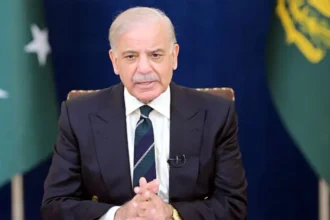
Prime Minister Shehbaz Sharif, in his message on Youm-e-Istehsal 2026, reaffirmed that the peaceful and just resolution of the Jammu and Kashmir dispute remains a cornerstone of Pakistan’s foreign policy. He reiterated Pakistan’s diplomatic, political and moral support for the Kashmiri people and urged the international community to press India to reverse the unilateral measures introduced since August 2019, end alleged human rights violations, and facilitate a peaceful settlement of the dispute in accordance with the relevant United Nations Security Council resolutions.
Pakistan’s position rests on the argument that the Kashmir dispute remains governed by United Nations Security Council resolutions, which envisage the determination of the region’s future through a free and impartial plebiscite. Islamabad argues that domestic constitutional amendments or administrative decrees cannot supersede international obligations or extinguish the right to self-determination. This legal interpretation has remained a consistent pillar of Pakistan’s foreign policy since 1947 and continues to underpin its diplomatic engagement on Kashmir in international forums.
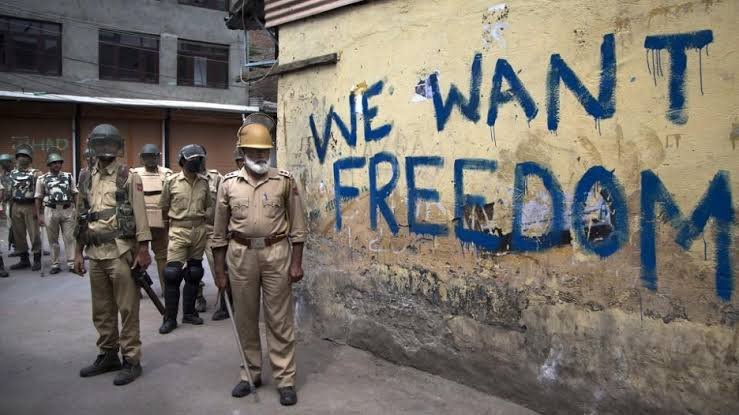
Beyond the legal debate, Pakistan also emphasizes the humanitarian consequences of developments since August 2019. According to Islamabad, the years following the constitutional changes have been marked by prolonged restrictions on civil liberties, tighter security measures, limitations on political activity, communication blackouts, and restrictions affecting journalists and civil society organizations. Pakistan argues that such policies have widened the gap between the authorities and the local population rather than creating conditions conducive to lasting peace.
From Pakistan’s perspective, sustainable stability in Jammu and Kashmir cannot be achieved solely through security-oriented governance. Instead, it argues that meaningful political dialogue, respect for fundamental rights, and the participation of the Kashmiri people in determining their future are essential for any durable resolution. The observance of Youm-e-Istehsal therefore serves not only as a day of remembrance but also as a reaffirmation of Pakistan’s call for international attention to the dispute.
Seven years after the events of August 2019, the Kashmir issue continues to influence South Asia’s strategic landscape. As two nuclear-armed neighbours, India and Pakistan remain divided over one of the world’s longest-running territorial disputes. While global attention often shifts toward emerging geopolitical crises, Kashmir continues to shape bilateral relations, regional security calculations and diplomatic engagement across international institutions.
For Pakistan, Youm-e-Istehsal reinforces the message that the dispute cannot be resolved through unilateral constitutional measures or demographic changes. Instead, Islamabad maintains that a just and lasting settlement must be achieved through dialogue, adherence to international law, and respect for the aspirations of the people of Jammu and Kashmir. Seven years after the constitutional changes, the observance underscores Pakistan’s enduring position that peace in South Asia remains closely linked to a peaceful and internationally accepted resolution of the Kashmir dispute.