Afghanistan was used by to be known as the strategic depth of Pakistan, but this relationship has turned into a tapestry of shared culture, economic interdependence and security challenges. This relationship reached at another critical juncture with the start of operation Ghazab-lil-Haq launched by Pakistan to strike down terrorist hideouts inside Afghanistan. Following heightened tensions, a window of reconciliation is emerging, driven by international mediation and regional necessity.
The prime hurdle between Afghan Taliban and Pakistan is the presence of Fitnah Al-Khawaraj (FAK) or Tehreek-e-Taliban Pakistan (TTP) on Afghan soil. The increase in the terrorist activities within Pakistan is the direct consequence of the Afghan Taliban regime’s incompetence that led to the resurgence of TTP since fall of Kabul in August 2021. This deep-seated security concern led to the complete breakdown of diplomatic channels resulting into cross-border strikes and return of Afghan refugees living for years in Pakistan.
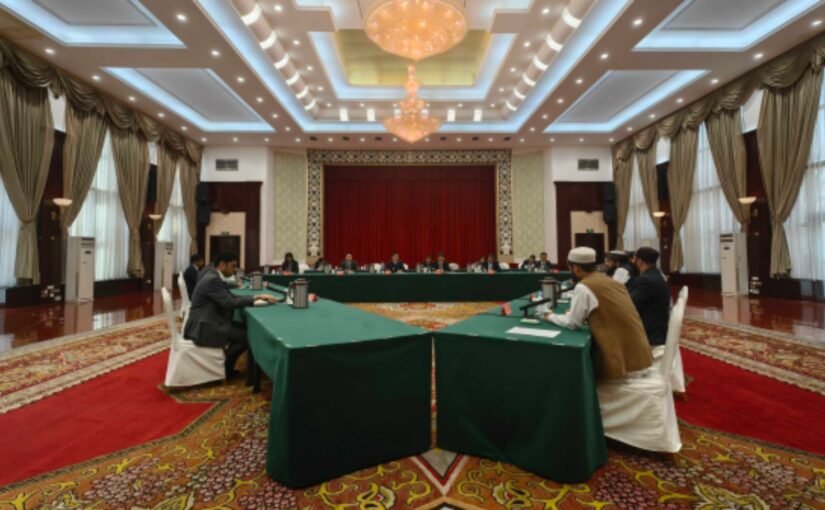
Playing its part as a major power, China stepped in and mediated the Urumqi Talks in April that signaled a shift from open hostility toward dialogue. However, the challenge of transforming this fragile truce into a sustainable peace still persists.
Two solutions were proposed for the reconciliation to bridge the trust deficit between Afghanistan and Pakistan. Confidence Building Measures (CBMs) is the first solution being proposed. This involves the restoration of diplomatic channels and reopening of vital trade between both states. For Pakistan, geo-economics has become a primary driver of foreign policy. By prioritizing strategy of economic stabilization, it can shift its traditional confrontation policy toward regional connectivity. For the implementation of this proposal, the Afghan Taliban needs to fulfill Pakistan’s valid demand regarding TTP sanctuaries.
The second and more interesting solution to the militancy proposed is Joined Border Patrolling. It is difficult for Pakistan to unilaterally patrol the porous Durand line because of significant economic constrains. Therefore, a joint patrolling mechanism can be established by both nations to supervise shared land to prevent terrorist infiltration and smuggling. This will help Pakistan to reduce manpower on the Western border and it will also foster cooperation between neighboring states.
China’s role has been instrumental in bringing both sides on the negotiating table. Moreover, Beijing’s interest in regional stability is closely tied to secure its investments and success of the Belt and Road Initiative. China has provided platform for the de-escalation, but the burden lies on the shoulders of Kabul’s regime to demonstrate that it will now allow its territory as a safe haven for terrorism and against neighbors.
The resolution of the tensions between Afghanistan and Pakistan is a prerequisite for regional peace. While there are also roles of spoilers that want to use Afghanistan as a launching pad for their illicit activities in Pakistan, but Taliban regime should prioritize economic pressures faced by both nations and use a diplomatic window to establish good friendly relations with mutual trade.