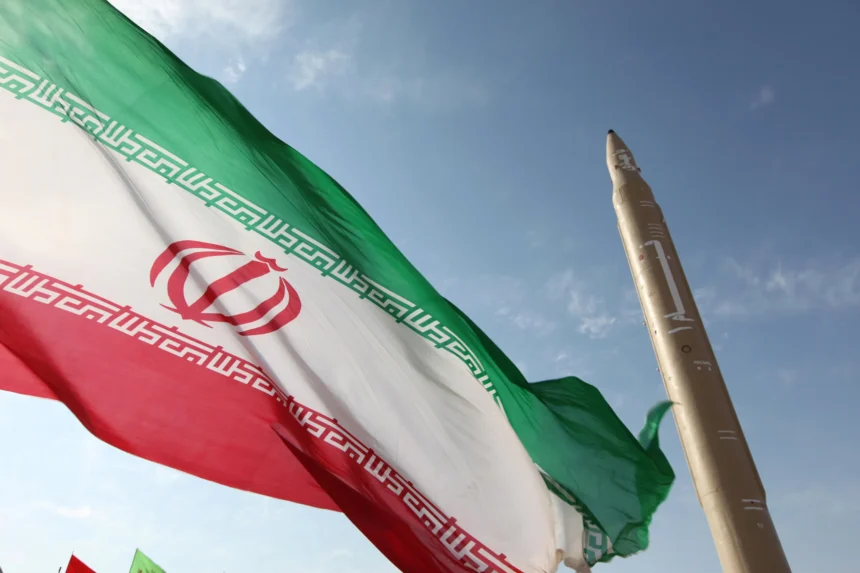
At the heart of modern geopolitics lies one of the world’s most disputed questions: Why can’t Iran have nuclear weapons? While established powers cite global stability, the debate often reflects a clash between international law and the raw pursuit of strategic survival. The global nuclear order is anchored by the “Big 5” which includes the United States, Russia, China, France and United Kingdom. These are the only nations formally recognized as nuclear weapon states under the 1970 Non-Proliferation Treaty (NPT). This “Permanent Five” (P5) of the UN Security Council essentially holds the key to global nuclear legitimacy, creating a lopsided hierarchy in international relations.
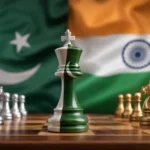
The NPT was built on a grand bargain; Non-nuclear states pledged never to acquire the bomb in exchange for peaceful nuclear technology. However, critics highlight the hypocrisy of Article VI, which mandates that the Big 5 work toward total disarmament. Decades later, these nations still maintain massive, modernized arsenals, leading to accusations of “Nuclear Apartheid”: a system where a few maintain permanent monopoly on ultimate power. The NPT is not a perfect shield. Nations like India, Pakistan, and Israel never signed and built their own arsenals, while North Korea utilized the withdrawal loophole to exit and weaponize.
Iran’s nuclear journey began in the 1950s under the U.S. backed “Atoms for Peace” program. By 1974, the Shah, envisioning Iran as a regional hegemon hinted at seeking a “deterrent force”. However, the true pivot occurred during the Iran-Iraq War (1980–1988). Facing chemical attacks and international isolation, Tehran realized that conventional strength might not guarantee survival, solidifying a “never again” strategic doctrine. Today, Iran is widely considered a “threshold state”. It possesses “latent capability”, meaning it has the centrifuges, technical expertise, and uranium enriched to 60%, just a short technical jump to 90% weapons grade material. With a breakout time estimated in weeks, Iran is effectively a “screw turn” away from a bomb. This status allows Tehran to enjoy the deterrent benefits of a nuclear state without technically crossing the formal red line.
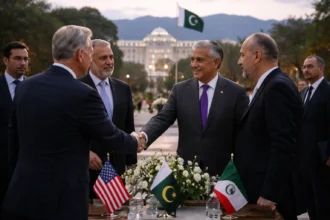
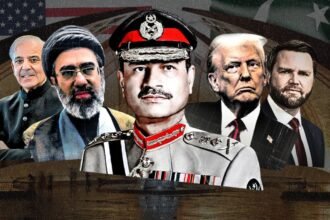
While the International Atomic Energy Agency (IAEA) serves as the formal watchdog, the informal authority rests with the U.S. and its allies, who view an Iranian bomb as a non starter. The primary fear is the “Domino Effect”: if Iran weaponizes, regional rivals may follow, turning the Middle East into a nuclear powder keg. As of May 2026, the situation remains in a dangerous deadlock. Following the collapse of the original Joint Comprehensive Plan of Action (JCPOA), “Maximum Pressure” campaigns and talk of a “JCPOA 2.0” have failed to stall enrichment. Recent mediation efforts in Islamabad have attempted to bridge the gap, with back channel formulas focusing on the reopening of the Strait of Hormuz in exchange for sanctions relief.
However, deep mistrust persists; Washington remains unyielding on “zero enrichment” demands, while Tehran views its nuclear infrastructure as a non-negotiable right to survival. With diplomacy hanging by a thread, the risk of a pre-emptive strike on nuclear facilities remains a looming shadow, as the world struggles to decide if this is about global security or who gets to hold the keys to power.