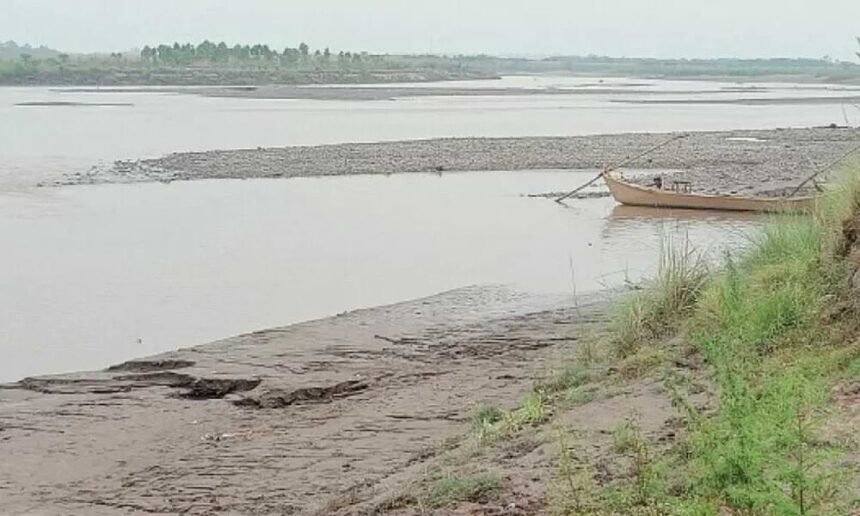
The Indus Waters Treaty (IWT) was signed in 1960 and it was hailed globally as a triumph of peace. Pakistan legally secured the three western rivers: the Indus, Jhelum and Chenab. After 65 years, this agreement is being hollowed piece by piece. India is transforming a vital water resource as a geopolitical tool with the development of mega projects and unilateral initiatives.
For over a decade, India under the ruling Hindutva ideology has eroded the treaty. It began with the Baglihar Dam on the river Chenab; it has potential to cut Pakistan’s downstream water flow by ninety percent. Another project with the name of Kishanganga is meant to divert the waters of the Jhelum River. India ignored the compliance of minimum flow despite international arbitration’s requirement.
New project of Ratle Dam constructed on the Chenab directly challenged Annexure D of the IWT, which forbids excessive poundage and gated spillways capable of manipulating downstream flows. Moreover, when Pakistan challenged India’s actions at the Permanent Court of Arbitration in The Hague, India rejected the court’s ruling. Similarly, India suspended all meetings of the Permanent Indus commission in 2024. Furthermore, while giving no respect to international law India moved to unilaterally suspend the entire treaty by April 2025.
India’s water terrorism is not only meant to damage Pakistan, but it is also a direct violation of international law. As the Article 26 of Vienna convention, Pacta Sunt Servanda, explains that the treaties must be honored in good faith. Likewise, Article 2(2) and 33 of the UN Charter obligates every state to fulfill international commitments and resolve disputes through peaceful means. Indian actions also violate human rights with respect to water, food and life, ensured in Article 11 and 12 of the ICECR. In addition to it, the UN Watercourses Convention and Geneva Protocol also warn that targeting of water security is a crime against humanity.
However, India’s aggression gives Pakistan every right to defense itself. Since inception, Pakistan has followed international law and followed formal channels to report violations. The international community has always remained silent on Pakistan’s legal stance, but when the survival food security and national stability of 240 million people will be at stake than Pakistan has every right to defend itself and target India’s illegal constructions on water resources. The Article 51 of UN Charter gives inherent right of self-defense to Pakistan, therefore, it retains every legal and moral right to halt water terrorism and secure its life sustaining rivers.