The diplomatic track record of Pakistan is one that ought to be acknowledged far more frequently than it typically is, especially taking into consideration the challenging nature of the circumstances in which this diplomacy had to take place. There are not many countries that would be expected to handle so many fault lines, an unfriendly border to the east, a precarious border to the west, as well as an important geopolitical crossing point between South Asia and the Middle East.
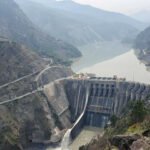
Indus Waters Treaty of 1960 is the best evidence in this regard. It was a major accomplishment that two countries which had gone to war were able to reach a compromise on sharing of resources and this continued for decades, establishing a precedent which Pakistan utilized time and again. Both the Tashkent Declaration and Simla Agreement were an example of moving back from conflict and constructing some mechanism of engagement even in the face of internal pressures that may have compelled the nations to remain at loggerheads. The Lahore Declaration and the process of Composite Dialogue were an even bigger accomplishment in this regard where both countries took the lead at a time when very few observers expected them to do so.
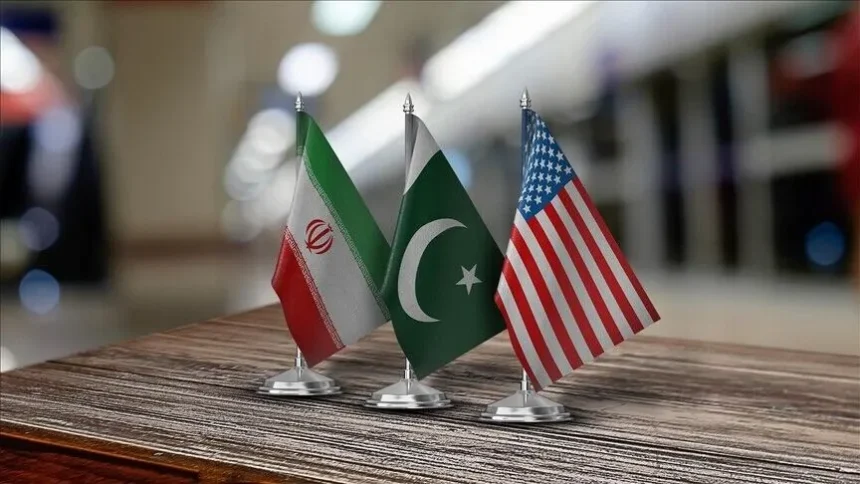
It is more recent changes in the scope of this diplomatic tendency that should be noted here. The mediation conducted by Pakistan between the United States and Iran during the crisis of 2026 represents an authentic point of inflection. To facilitate such diplomatic negotiations between the United States and Iran in Islamabad after 1979 is far from being a minor diplomatic gesture, as Pakistan had to balance between two equally important players of the international arena, a situation that could hardly be managed by most regional powers. It was through the Pakistani diplomacy that the ceasefire agreement was achieved on April 8 and then prolonged in the same month. This de-escalation process found a way of survival despite constant threats of abandoning it.
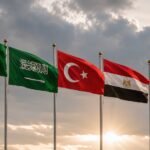
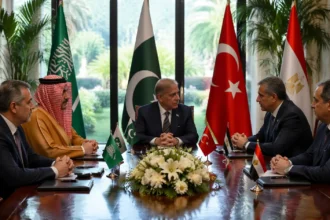
This particular aspect has not been overlooked by the observers who once considered Pakistan to be a second-rate player on the regional political stage due to the economic growth of India. Islamabad’s structural neutrality, lack of US bases in its territory, as well as functional relations with Iran, have been viewed as qualities which made it a worthy mediator when other candidates had been damaged. Coordinating their activities with Saudi Arabia, Turkey, Qatar and Egypt, Pakistan has started to look like a country which resolves its conflicts, while influencing the situation beyond its borders.
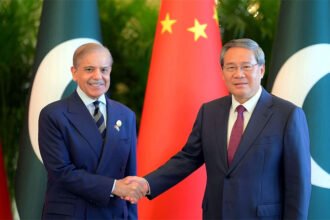
Therefore, it can be seen that there is more implied in this process than just sporadic successes in diplomacy. Rather, it can be seen that Pakistan is beginning to establish itself as a middle power, through its efforts that have been expended over many years.