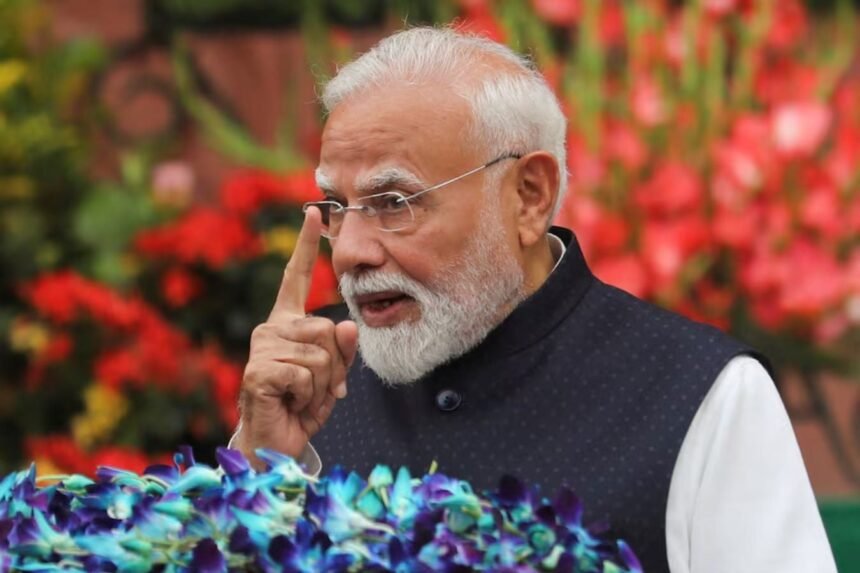
Indian Prime Minister Narendra Modi’s latest social media campaign reflects a growing political problem for his government: winning back the confidence of a younger generation increasingly frustrated with unemployment, education failures and limited economic opportunities. After Gen Z-led protests exposed the depth of that discontent, Modi and his Bharatiya Janata Party (BJP) have turned to Instagram, adopting the language, aesthetics and informality of the very generation that has been challenging the government’s narrative.
Modi has recently appeared in selfie-style videos filmed after hours, wearing a biker jacket and sunglasses, accompanied by rap music. Another clip borrows the theme song from the sitcom Friends, while a vertically shot video posted on July 31 opens with the unusually casual greeting, “Hi, friends.”
The effort is clearly designed to make the prime minister appear more relatable to younger audiences ahead of the 2029 general election, when Gen Z is expected to constitute one of India’s largest voting blocs.
But the sudden change in tone also highlights the limits of the government’s established digital strategy. For years, Modi and the BJP have relied on highly coordinated messaging across television, WhatsApp, X and other platforms. That approach helped the government maintain a strong presence in India’s political conversation. The recent protests, however, demonstrated that digital influence can work in the opposite direction.
Students and young job seekers used Instagram Reels and short-form videos to amplify anger over an examination paper leak and broader concerns about employment and educational opportunities. The protests became difficult for the government to contain online, challenging the carefully managed image of political control. The resignation of the education minister following the unrest further underscored the seriousness of the backlash. The BJP’s response has been to enter the same digital space with more informal content. Cabinet ministers and government departments have followed Modi’s lead, while the foreign ministry has announced plans to expand its presence on Snapchat. Yet simply adopting Gen Z’s visual language does not necessarily mean understanding its political concerns.
Young audiences are accustomed to unfiltered content and are quick to identify political messaging that appears manufactured. A government reel may look casual, but if the underlying message remains heavily scripted, it risks appearing less authentic rather than more.
The larger problem for Modi is therefore not Instagram. It is whether his government can address the issues that pushed young Indians onto the streets in the first place. With more than half of India’s population under 35, youth unemployment, examination integrity and access to education are becoming increasingly important electoral issues.
Social media can help governments shape perceptions, but it cannot permanently disguise economic and institutional grievances. Modi’s new Instagram strategy may make his political communication look younger. Whether it can make his government’s record look more convincing to India’s young voters is a far more difficult question.