India is building at a remarkable pace. Expressways are stretching across states, airports are becoming more modern, railway stations are being transformed, and public spaces are receiving long-overdue upgrades. Yet, a troubling question continues to surface: what is the value of world-class infrastructure if citizens themselves fail to protect it?
Recent viral videos have reignited this debate.
One showed people uprooting newly planted saplings near Bhogapuram International Airport. Another captured crowds using a public fountain as a recreational swimming pool. A third revealed passengers leaving a train coach strewn with litter after their journey.
While these incidents occurred in different places, they reflect the same problem that is lack of civic responsibility.
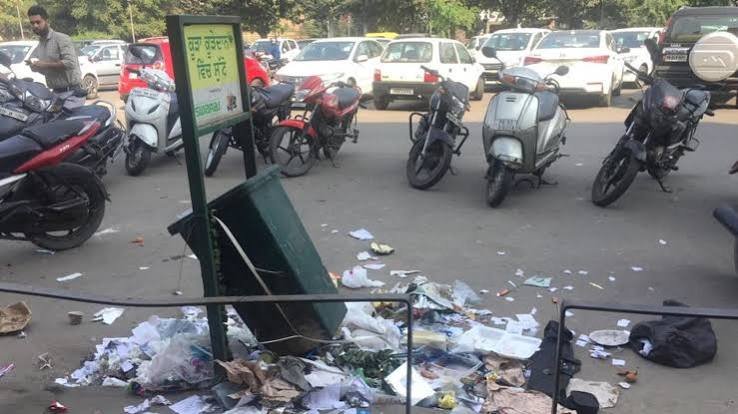
It is easy to blame governments for poor public services, but these videos expose an uncomfortable truth. Infrastructure does not deteriorate solely because of poor planning or inadequate maintenance. It is also damaged by everyday behaviour. Roads are littered because people throw rubbish onto them. Parks lose their beauty because visitors vandalise plants and facilities. Public transport becomes unhygienic because passengers treat it as someone else’s responsibility to clean. India has invested billions of dollars in improving its infrastructure over the past decade. These projects are designed to enhance quality of life, attract investment, boost tourism, and support economic growth. However, every act of vandalism or careless littering reduces the lifespan of these public assets and increases maintenance costs, with taxpayers ultimately footing the bill.
The issue is not unique to India, but the country’s rapid urbanisation makes civic behaviour more important than ever. Development cannot be measured only by the number of highways built or airports inaugurated. It must also be measured by how responsibly citizens use the facilities created for them. Improving civic sense requires more than stricter penalties. It begins with education, public awareness, and social accountability. Schools should teach civic responsibility alongside academic subjects. Families must instil respect for shared spaces from an early age. Local communities, media, and public figures should reinforce the message that protecting public property is a collective duty, not merely the government’s obligation.
The true test of a developed society is not how quickly it builds infrastructure, but how well it preserves it. India’s next leap forward will depend not only on engineering excellence or government investment, but on a cultural shift that values cleanliness, discipline, and respect for public spaces. Until civic behaviour catches up with infrastructure development, the country risks building world-class facilities that too often fail to remain world-class.