Between August 2025 and August 2026, Pakistan’s foreign and strategic posture underwent a notable transformation. What stands out is not one isolated diplomatic or economic achievement, but the widening of Pakistan’s strategic footprint—from the Gulf and Central Asia to Iran, China, Africa and the wider international system.
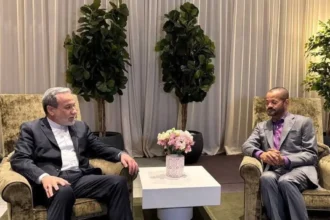
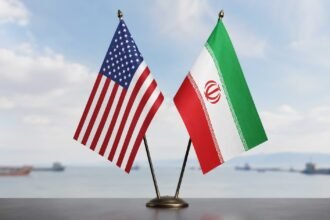
Perhaps the most consequential development came in June 2026, when Pakistan helped facilitate the Islamabad Memorandum of Understanding between the United States and Iran. Islamabad hosted earlier contacts, mediated between the two sides and remained involved in subsequent technical-level negotiations. The agreement created a framework for continued dialogue, including mechanisms to prevent miscalculation and facilitate safe passage through the Strait of Hormuz.
Pakistan’s diplomatic influence was reinforced by its evolving relationship with Saudi Arabia and Türkiye. The Pakistan-Saudi Strategic Mutual Defence Agreement, signed in September 2025, was followed by the landmark Makkah Joint Defence Agreement of August 7, 2026. Under the trilateral arrangement, an armed attack against one member is to be regarded as an attack against all three. It placed Pakistan at the centre of an emerging regional security architecture while formally presenting the pact as defensive.
The year also saw Pakistan strengthen its strategic engagement with Africa. Cooperation with Somalia expanded in counterterrorism, security and capacity-building, reflecting Islamabad’s effort to extend its defence diplomacy beyond its traditional partners and into the African continent.
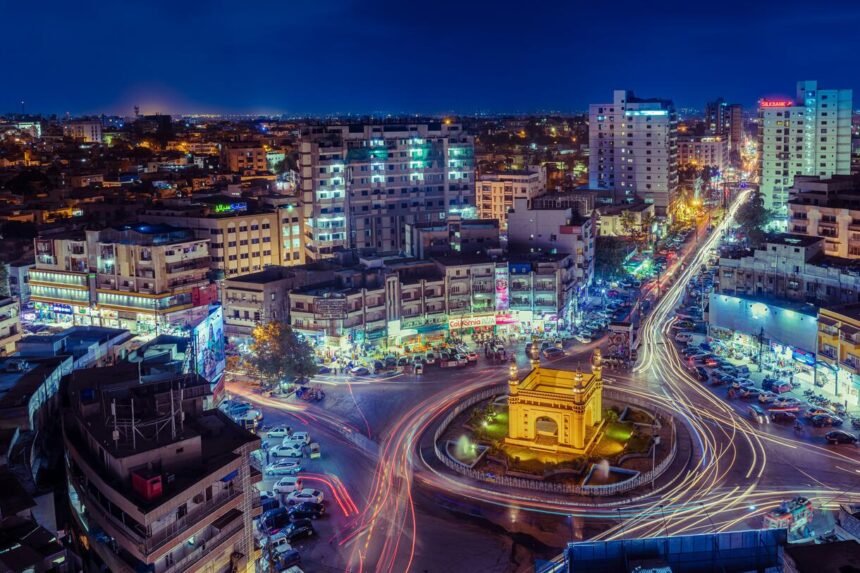
Geoeconomics became another major pillar. Pakistan operationalised a transit corridor through Iran, reviving a previously dormant bilateral transport framework and opening Pakistani territory and ports to Iranian trade. The development has strategic significance beyond bilateral commerce: it gives Pakistan another route toward Central Asia while strengthening the case for Karachi, Port Qasim and Gwadar as regional gateways.
Pakistan simultaneously intensified efforts to connect Central Asian Republics with its Arabian Sea ports, seeking to turn geography into economic leverage. Islamabad has actively courted Central Asian investment in Karachi and Gwadar while promoting these ports as gateways linking Central Asia with global markets.
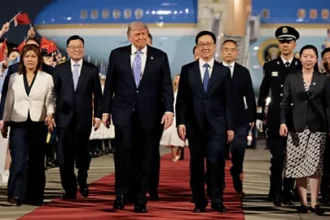
The China relationship also moved beyond infrastructure. During Prime Minister Shehbaz Sharif’s May 2026 visit, Pakistan and China signed and exchanged agreements covering agriculture, education, science and technology, climate change, trade and investment, broadening the economic foundation of the all-weather partnership.
At home, Pakistan recorded important gains in economic stabilisation and digital transformation. The IMF completed its third EFF review and second RSF review in May 2026, releasing approximately $1.1 billion and $220 million, respectively, taking combined disbursements under the two programmes to about $4.8 billion.
The technology sector emerged as another bright spot. Pakistan’s IT and ICT exports reached a record $4.6 billion in FY2025-26, while the sector posted a $3.9 billion services trade surplus. Freelancer remittances reached $1.76 billion, reflecting the growing weight of the digital economy. The launch of 5G following Pakistan’s spectrum auction added another layer to this digital transformation.
Taken together, these developments point to a Pakistan seeking greater strategic agency. Its ports are being positioned as trade gateways; its diplomacy is increasingly focused on mediation; its defence partnerships are expanding; and its economic strategy is increasingly tied to technology, connectivity, minerals and regional trade.
The year between August 2025 and August 2026 therefore marks more than a series of agreements. It represents an attempt to convert Pakistan’s geography, military capabilities, diplomatic relationships and economic potential into strategic reach—and, ultimately, greater influence in a rapidly changing regional order.