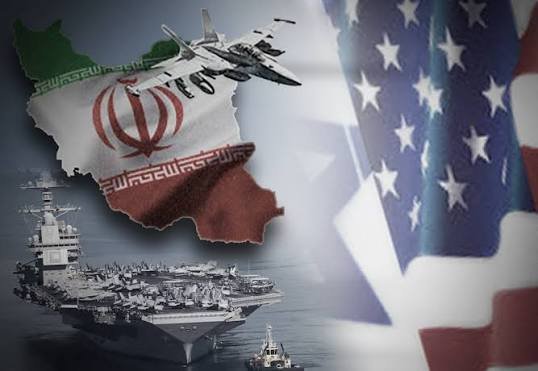
The collapse of a fragile US-Iran truce has pushed the Middle East back towards full-scale war, with renewed American airstrikes, Iranian missile retaliation and an intensifying confrontation over the Strait of Hormuz.
The latest escalation widened on Thursday as the United States extended its military campaign beyond Iran’s southern coastline, striking targets around Tehran and in Semnan province. American forces also disabled an oil tanker approaching Iran’s Kharg Island, saying the vessel had attempted to breach a newly reimposed US naval blockade of Iranian ports.
The renewed attacks followed earlier US strikes against Iranian coastal-defence systems, missile installations, naval facilities and military infrastructure near the strategically important Strait of Hormuz. Washington says the campaign is intended to prevent Iran from attacking commercial shipping and controlling passage through one of the world’s most important energy corridors.
Iran has described the confrontation as an “existential war” and responded with missile and drone attacks directed towards Bahrain, Kuwait and Jordan, all of which host American forces or maintain close security ties with Washington. A drone attack was also reported near the Iraqi port city of Basra, creating further concern about the safety of regional oil infrastructure.
The human cost is also increasing. More than 35 people have reportedly been killed and over 300 injured in Iran during the latest round of attacks. Iranian authorities also said a strike near a children’s cancer hospital in Ahvaz forced the evacuation of more than 200 patients, highlighting the danger to civilians as military operations move closer to urban areas.
At the centre of the conflict is the Strait of Hormuz, which handled roughly one-fifth of global oil and liquefied natural gas trade before the war. Ship movements through the waterway have declined sharply since the naval blockade was restored, while Tehran has warned that it could further restrict regional energy exports. Iran has also reportedly urged Yemen’s Houthi movement to prepare for possible action against Red Sea shipping routes if Iranian energy infrastructure is attacked.
The economic effects are already being felt. Brent crude rose above $85 per barrel before later giving up some gains, while shipping companies and insurers reassessed the risks of operating across the Gulf. Major Gulf stock markets also declined as investors feared a prolonged conflict and wider disruption to regional trade.
The return to war represents a major failure of recent diplomacy. An interim arrangement reached in June had briefly reduced hostilities and raised hopes for technical negotiations. Those efforts have now been overtaken by military escalation, competing claims over freedom of navigation and renewed threats against regional infrastructure.
Pakistan has called on both Iran and the United States to end the violence and return to negotiations. Islamabad had been considered a possible venue for further technical talks and remains deeply concerned about the consequences of an expanding conflict on neighbouring countries, energy prices and regional security.
The danger now extends far beyond the United States and Iran. Continued strikes could draw Gulf states, Iraq and armed groups across the region more directly into the fighting. Every new attack narrows the space for diplomacy, increases the risk of miscalculation and threatens to transform a confrontation over shipping and security into a prolonged regional war.