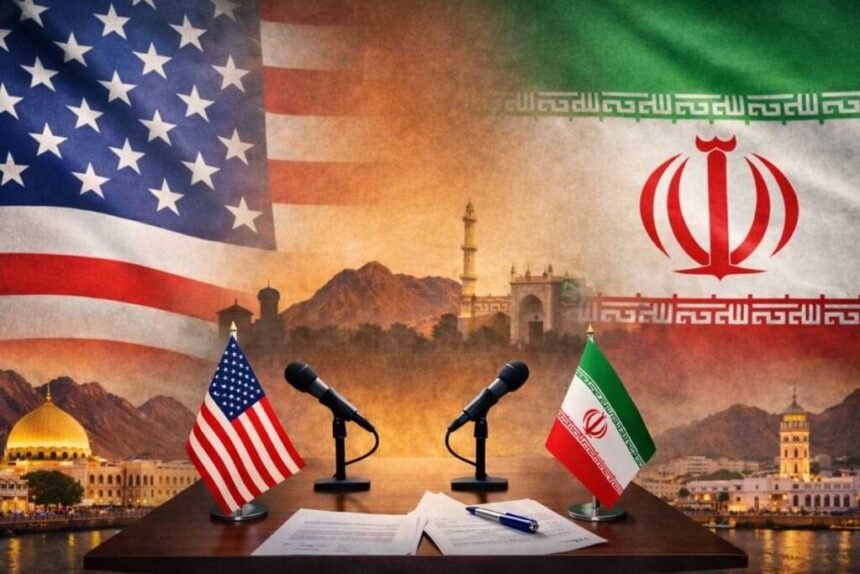
DOHA — Mediators from Qatar and Pakistan have successfully concluded a round of intense, indirect talks between representatives of the United States and Iran in Doha. The quiet diplomatic push arrives at a critical juncture for regional stability, particularly regarding the Strait of Hormuz.
The Foreign Office (FO) of Pakistan said on Thursday that Qatari and Pakistani mediators had concluded separate meetings with negotiators from the United States and Iran in Doha.
https://x.com/ForeignOfficePk/status/2072532186016936142?ref_src=twsrc%5Etfw%7Ctwcamp%5Etweetembed%7Ctwterm%5E2072532186016936142%7Ctwgr%5E289845484f0c299faf05818607e3077adcc1d9fe%7Ctwcon%5Es1_c10&ref_url=https%3A%2F%2Fwww.dawn.com%2Fnews%2F2012389
The focus of the Doha rounds centred on technical frameworks regarding maritime traffic and the preservation of critical maritime energy corridors, which have faced unprecedented pressure following recent military friction.
Central to the discussions was the ongoing implementation of previous bilateral frameworks aimed at preventing an all-out regional collapse. In a statement on X, it said that “positive progress” was made on issues related to the Islamabad Memorandum of Understanding (MoU) between the two sides, building on the talks held in Switzerland earlier this month. The Islamabad MoU remains a foundational mechanism intended to regulate direct military friction, establish a permanent ceasefire, and restore unhindered shipping lanes.
The diplomatic atmosphere remains profoundly heavy following tectonic shifts in Iran’s political landscape. Iran’s Supreme Leader Ayatollah Ali Khamenei, who was assassinated on the first day of the US-Israel war on Iran, is due to be buried on July 9, a reality that has introduced immense complexity into the negotiation timeline.
Despite the profound challenges, both Washington and Tehran appear willing to keep the diplomatic track alive, recognizing that a complete breakdown could trigger catastrophic consequences for the global economy. According to official channels, the sudden pause in talks is explicitly structural. “Parties have agreed to continue discussions over the coming period, with the next meeting to be set at the earliest possible time following the funeral processions of the former Iranian supreme leader,” it said.
A mirroring statement from the Qatari foreign ministry spokesperson echoed these exact parameters, reinforcing Doha’s coordinated role alongside Islamabad in keeping the fragile channels of communication fluid.
For the international community, the stakes in the Doha track extend far beyond bilateral politics. The Strait of Hormuz handles roughly a fifth of the world’s global oil supply. While these indirect talks have not yet yielded a permanent, comprehensive strategic settlement, the steady progress on the Islamabad MoU suggests a mutual baseline desire to contain the conflict’s geographical spread and secure maritime access. With working groups taking shape and both sides committed to reconvening after July 9, the Doha track has given the region its most credible opening yet — a chance to turn a fragile pause into a lasting peace.