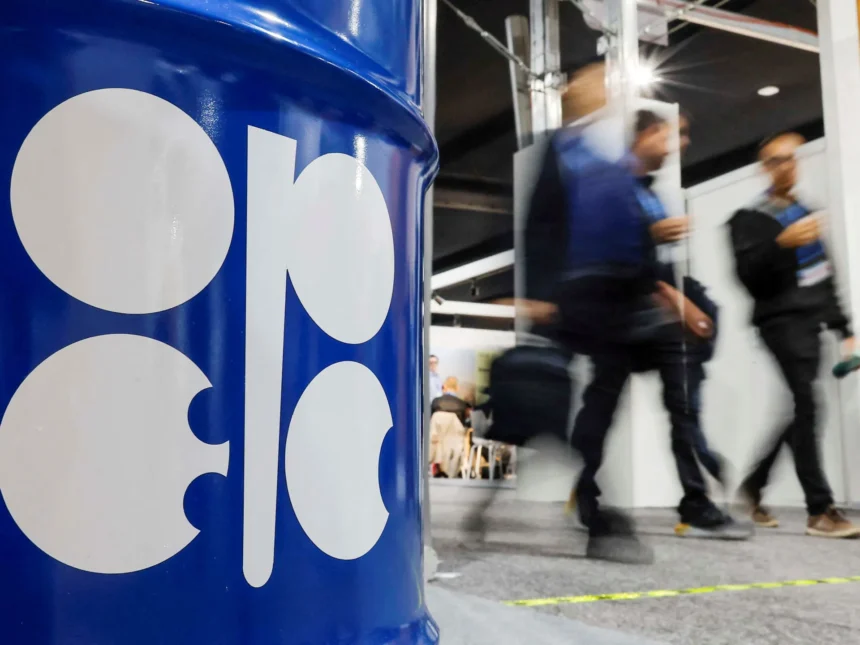
The United Arab Emirates (UAE) has recently stormed itself out of the Organization of the Petroleum Exporting Countries (OPEC). It has finally done what it has long been threatening for, amidst a regional war involving Iran and Gulf states. This departure is not simply based on a dispute over oil production quotas; rather it represents a shift in the geopolitics of the Middle East.
The UAE’s exit was catalyzed by a clash over economic policies. While OPEC members, under the leadership of Saudi Arabia, have fought to keep oil prices high though limited production, the UAE is focused on more production and lower oil prices. For that, it aims to increase production from 3.6 to 5 million barrels per day. By leaving the organization, the Emiratis signaled a desire to monetize their reserves rapidly as they are transitioning toward a more diverse economy built on technology and investment.
Apart from securing oil production, the UAE is also doubling down in its alliance with the United States and Israel. As it has signed Abraham Accords, the pullout is seen as a victory for Israel because both states share a deep-seated hostility toward Islamist extremism and Iran. Moreover, the Emiratis are looking to the US and Israel for protection despite the devastation of the ongoing war with Iran and the resulting drone strikes on its soil.
Its exit is a direct slap on the face of Saudi Arabia and it has further deteriorated relations between both monarchies into a bitter rivalry. The relations between the UAE and Saudi Arabia were already on precipice because of their different interests in Yemen and Sudan. In December, Saudi Arabia targeted an arms shipment of UAE in the shores of Yemen which nearly sparked a direct military clash. Furthermore, by abandoning OPEC, the UAE has further alienated itself from the Gulf States.
While the UAE seeks to chart its own course, but the lone wolf strategy is always laden with risk. If Iran succeeds in holding a tighter grip on the Strait of Hormuz, things will get more completed for UAE. Therefore, in a region where unity is the most logical defense against regional threats, the UAE has chosen to stand apart while betting on Washington and Tel Aviv.