Pakistan is confronting one of the most complex security environments in its recent history. Along its western frontier, developments are unfolding simultaneously on two fronts: renewed tensions surrounding Iran and the ongoing security situation along the Pakistan-Afghanistan border. While these theatres differ in origin, both have the potential to shape Pakistan’s strategic calculations, diplomatic priorities and internal security in the months ahead. What makes this moment particularly significant is not the novelty of either situation individually, but their simultaneity — a convergence that tests Islamabad’s capacity to manage military, diplomatic and economic priorities at once, and one that Pakistan has approached with characteristic resolve.
The Iran Factor: Energy Security and Regional Exposure
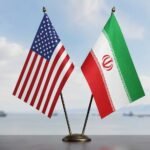
To the southwest, the latest escalation between the United States and Iran has once again heightened uncertainty across the Gulf. Rising military tensions have renewed focus on energy security, regional trade and the safety of maritime routes through the Strait of Hormuz. For Pakistan, the stakes extend beyond geography. The country relies heavily on Gulf energy imports, maintains close economic ties with the region and hosts millions of citizens whose livelihoods are linked to stability in the Middle East. A prolonged crisis could bring fuel price pressures and economic headwinds, underscoring why Pakistan continues to advocate for de-escalation and has positioned itself as a potential bridge for dialogue between Washington and Tehran.
The Afghan Border: A Persistent and Evolving Threat
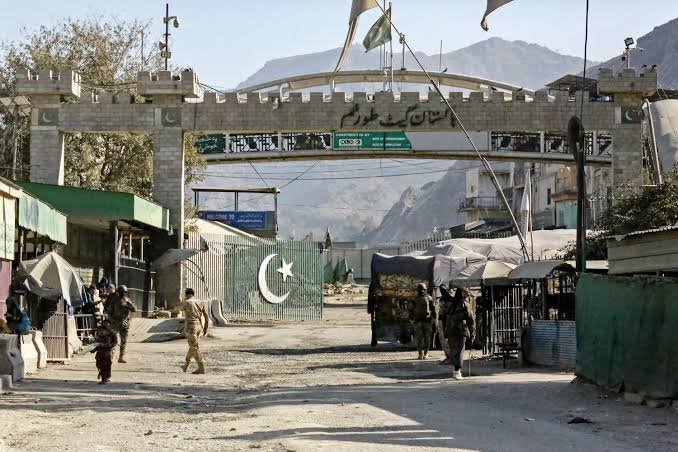
At the same time, Pakistan’s western border with Afghanistan continues to demand sustained attention. Militancy remains one of Islamabad’s foremost security concerns, with recent attacks in Balochistan underscoring the threat posed by armed groups operating in the region. Pakistani authorities have intensified counterterrorism operations following attacks on security personnel, reaffirming their firm commitment to restoring stability and protecting citizens.
Addressing graduating officers at the National Defence University this week, Chief of Defence Forces (CDF) and Field Marshal Asim Munir vowed that terrorism originating from across the border would be crushed with the “full might of the state,” and that terrorist sanctuaries along with their facilitators would be completely dismantled. His remarks came days after fresh attacks in Balochistan, even as data shows anti-state violence in the province declined overall in June — a sign that Pakistan’s sustained counterterrorism campaign is delivering tangible results and gaining ground.
The Interconnected Nature of the Two Fronts
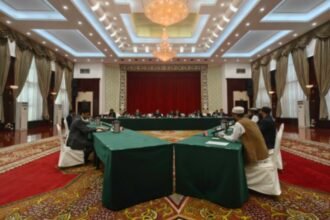
For Pakistan, these challenges are interconnected rather than parallel. Managing tensions with Iran alongside the western frontier’s security requirements calls for coordinated resource allocation across diplomatic and security domains. At the same time, Pakistan’s engagement on the Afghan border runs alongside its broader regional diplomacy, including its efforts to facilitate dialogue between Washington and Tehran. This interdependence highlights why Pakistan has increasingly pursued an integrated, whole-of-government approach — one that allows security and diplomatic efforts to reinforce rather than compete with one another.
Balancing Security and Diplomacy
Managing this dual challenge calls for a careful balance between robust security measures and active diplomacy — a balance Pakistan has consistently sought to strike. Pakistan’s geography places it at the crossroads of South Asia, Central Asia and the Middle East, giving it strategic importance and a unique role in regional stability. As developments continue to unfold from Tehran to Kabul, Islamabad’s ability to protect its borders while sustaining regional engagement stands as a testament to its evolving foreign and security policy — and to its capacity to navigate a demanding regional landscape with resolve.