For centuries, oil defined global power, influenced alliances, and triggered conflicts. In the 21st century, however, another resource is steadily emerging as an equally strategic asset: water. As populations grow, climate change intensifies, and freshwater supplies become increasingly unpredictable, rivers are evolving from natural lifelines into instruments of geopolitical influence. The next century may well be defined not by battles over oil fields, but by competition over river basins.
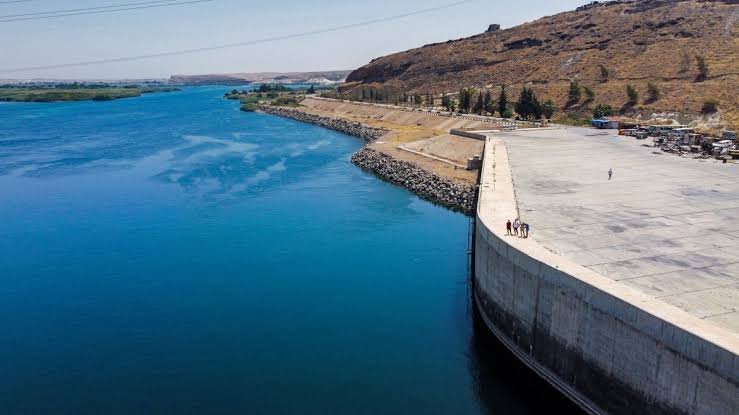
More than 260 rivers cross international borders, supplying drinking water, agriculture, hydropower, and industry to billions of people. These shared waterways require cooperation, yet they also create vulnerabilities. When one country builds dams, diverts water, or alters river flows upstream, downstream nations can face severe economic, environmental, and humanitarian consequences.
The Nile illustrates this new reality. Ethiopia’s Grand Ethiopian Renaissance Dam has transformed regional politics, prompting years of negotiations with Egypt and Sudan over water security and electricity generation. Along the Mekong River, upstream dam construction has raised concerns among downstream countries including Vietnam, Cambodia, and Thailand over fisheries, agriculture, and seasonal water flows. In South Asia, the Indus River remains central to relations between Pakistan and India, demonstrating how shared rivers can become deeply intertwined with national security and diplomacy.
Climate change is accelerating these tensions. Melting glaciers, prolonged droughts, erratic rainfall, and rising temperatures are disrupting water availability across continents. Regions once considered water-rich are experiencing shortages, while growing urban populations and expanding agriculture continue to increase demand. According to the United Nations, billions of people already experience water scarcity for at least part of the year, making effective water governance more urgent than ever.
Yet history also shows that rivers can foster cooperation rather than conflict. International river treaties, joint management institutions, and data-sharing agreements have helped prevent disputes from escalating in many parts of the world. Water diplomacy increasingly offers opportunities for confidence-building between rivals, proving that shared dependence on rivers can encourage dialogue even during periods of political tension.
The geopolitics of water is therefore not simply about scarcity; it is about governance, technology, climate resilience, and international cooperation. Nations that invest in sustainable water management, efficient irrigation, desalination, wastewater recycling, and cross-border partnerships will be better positioned to navigate future challenges.
As freshwater becomes one of humanity’s most valuable strategic resources, rivers will no longer be viewed merely as geographical features. They will shape economies, influence diplomacy, determine food and energy security, and redefine regional power balances. In the century ahead, the world’s most important geopolitical frontiers may not lie in deserts or oceans, but in the rivers that sustain civilization itself.