Pakistan has issued a stern maritime security warning, declaring that any hostile action against Pakistani-flagged vessels or national maritime interests will be treated as a direct threat to its national security.
The elevated defense posture follows an announcement by Yemen’s Houthi movement asserting a naval blockade on Saudi Arabian ports and instructing commercial shipping lines to avoid the Kingdom’s maritime hubs.
In a official press release, Pakistan’s Foreign Office unequivocally condemned threats to merchant shipping and trading operations, characterizing them as clear violations of international law. Islamabad warned that any attempt to obstruct the Bab al-Mandab Strait—the strategic maritime chokepoint connecting the Red Sea to the Gulf of Aden—undermines regional stability and jeopardizes the rules-based global order. READ MORE
“Consistent with the Charter of the United Nations and international law, Pakistan reserves its right to take all necessary measures, including lawful use of force, in the exercise of self-defence to protect its maritime assets and national interests,” the Foreign Office stated.
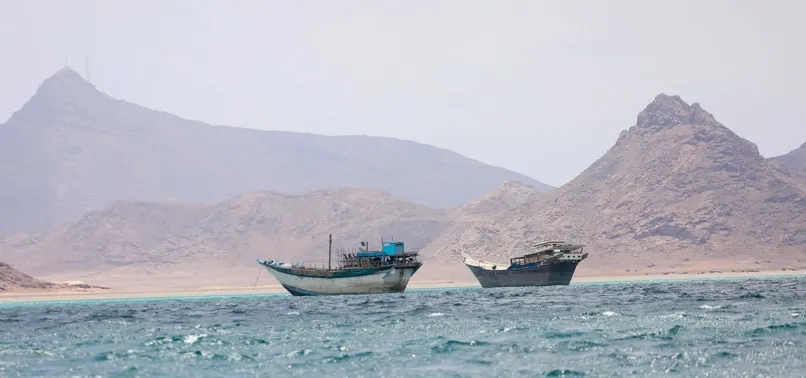
The geopolitical stakes around the Bab al-Mandab Strait are critical. As the southern gateway to the Suez Canal, the narrow channel handles a significant volume of global container shipping and energy transits. Security analysts warn that disruptions along this corridor risk driving up shipping freight costs, destabilizing energy markets, and delaying supply chains across Asia, Europe, and the Middle East.
Islamabad’s warning reflects a dual imperative: safeguarding its own economic dependencies and upholding its strategic alliance with Riyadh. With Pakistani merchant traffic and vital energy import routes passing through the Red Sea, freedom of navigation remains a vital national interest.
Reaffirming its commitment to Saudi Arabia’s sovereignty, security, and territorial integrity, Pakistan expressed concern over attempts to drag the Kingdom into expanding regional conflicts. The Foreign Office urged the international community to enforce maritime safety standards and ensure the commercial waterway remains secure, while emphasizing the need for dialogue and regional de-escalation.