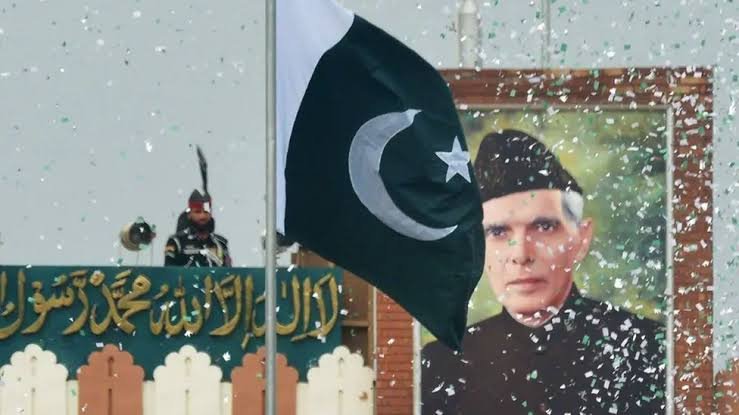
Since its creation on 14 August 1947, Pakistan has viewed itself as more than a nation-state. For many of its founders and citizens, it represented a homeland where Muslims of the Subcontinent could shape their political, social and cultural future while drawing inspiration from Islamic values of justice, unity and equality. Guided by the vision of Quaid-e-Azam Muhammad Ali Jinnah and the philosophical ideas of Allama Muhammad Iqbal, Pakistan emerged despite enormous political, economic and humanitarian challenges.
The country’s early years were marked by mass migration, institutional shortages and pressing security concerns. Yet Pakistan endured, gradually building its institutions and establishing itself as an important voice in the Muslim world. Its strategic location, connecting South Asia, Central Asia and the Middle East, has further strengthened its ability to contribute to regional diplomacy and security.
A defining moment in Pakistan’s engagement with the Islamic world came in February 1974 when Lahore hosted the Second Islamic Summit Conference. Leaders from across the Muslim world, including Saudi Arabia, Egypt and several other member states, gathered to discuss issues of common concern. The summit reinforced Pakistan’s image as a bridge between Muslim nations and highlighted its commitment to promoting cooperation through dialogue and shared interests. It also demonstrated the country’s capacity to convene diverse nations under a common platform at a time of regional uncertainty.
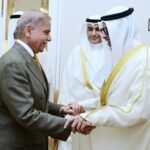
Pakistan has continued to play an active role in supporting peace and stability in the wider Islamic world. Its long-standing defence cooperation with Saudi Arabia, including military training, advisory missions and joint exercises over several decades, reflects the close relationship between the two countries. Pakistan has consistently reaffirmed its commitment to the security of Saudi Arabia and the protection of Islam’s holiest sites, while also maintaining defence partnerships with other friendly Muslim countries including recent defence agreement with Kuwait.
Beyond defence, Pakistan has increasingly positioned itself as a diplomatic bridge. It has encouraged dialogue during periods of regional tension, expanded cooperation with countries such as Türkiye, Kuwait and the Gulf states, and promoted stronger economic, security and technological partnerships across the Islamic world. These efforts reflect a broader foreign policy that seeks stability through engagement rather than confrontation.
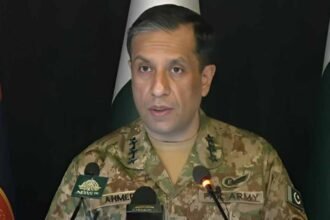
Pakistan’s sizeable armed forces, professional military institutions and indigenous defence industry have further enhanced its standing among Muslim nations. At the same time, its participation in United Nations peacekeeping missions across the globe demonstrates that its security contributions extend beyond the Islamic world, reinforcing its reputation as a responsible international stakeholder.
Looking ahead, the idea of greater cooperation among Muslim-majority countries continues to inspire policymakers and observers alike. While political differences, economic disparities and regional rivalries remain significant challenges, stronger collaboration in trade, education, technology, disaster response and defence could create new opportunities for collective progress.
Pakistan’s history is one of resilience and perseverance. From overcoming the hardships of independence to becoming an influential voice within the Organisation of Islamic Cooperation and the broader Muslim world, the country has consistently sought to advance the principles of solidarity and mutual respect. As global challenges become increasingly interconnected, Pakistan remains well positioned to contribute to a future built on cooperation, stability and shared prosperity, reflecting the enduring vision of Islamic brotherhood that has shaped much of its national journey.